
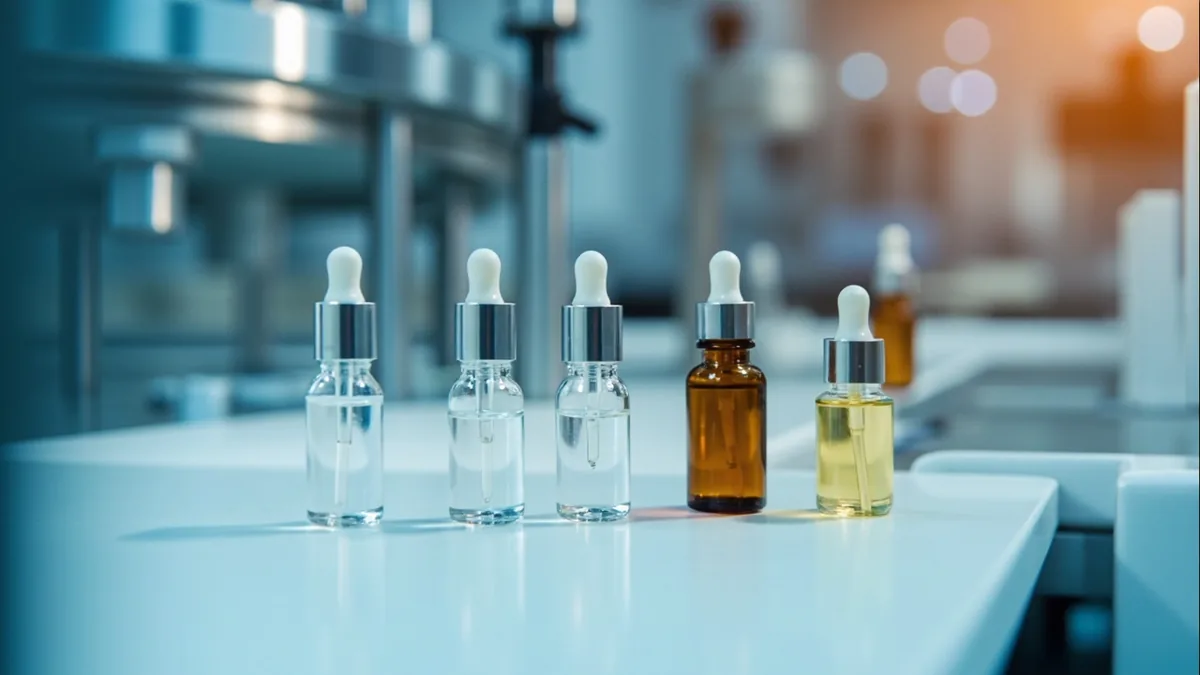
Active-ingredient retention in skincare and intimate-care formulations is determined by more than the concentration used at development. Oxygen exposure, light and heat stress, container compatibility, and the initial microbial load can all affect ingredient condition during shelf life. Conventional pump bottles rely on preservative systems, packaging barriers, and convenient dosing, whereas BFS single-dose filling manufactures the product in a controlled environment and limits exposure before opening. For oxygen-sensitive or microbiologically demanding formulas, the choice can influence both stability strategy and packaging cost.
Blow-Fill-Seal integrates plastic-container forming, filling, and sealing within one machine. Whether a particular operation qualifies as aseptic depends on formulation preparation, equipment design, environmental controls, and validated operating conditions. The presence of BFS equipment alone does not establish sterility. Single-use packs intended to be discarded after opening can reduce repeated handling, but they do not automatically remove the need for preservative assessment, microbiological testing, or shelf-life studies. Buyers should request evidence specific to the proposed formula, container, and manufacturing process.
Ingredient stability should be assessed in the finished formulation and final package, rather than inferred from an ingredient name or filling method. Multi-use bottles, airless pumps, and single-dose plastic containers differ in oxygen and moisture transmission, light protection, and handling after opening. Actual performance also depends on resin, wall thickness, seals, headspace, and storage conditions. Compare appearance, odor, relevant formulation specifications, and active content where appropriate using documented methods under comparable conditions. Accelerated testing can provide early information but does not by itself guarantee performance throughout the claimed shelf life.
Microbial control is another major distinction. BFS operates with controlled processing and container-handling steps designed to reduce contamination during manufacturing. The approach can support single-dose products that are not intended for storage after opening and may assist brands seeking lower preservative dependence. It does not eliminate risks associated with raw-material water activity, ingredient hygiene, pre-filling treatment, or seal integrity. Buyers should request a clear explanation of cleanliness controls, critical process parameters, container-compatibility work, and relevant batch documentation, including COA, MSDS, stability, and challenge-test reports where applicable.
Packaging decisions should also reflect real use conditions and supply-chain requirements. Single-dose units may suit individually portioned products or coordinated kits, while multi-use bottles may offer different trade-offs in material use, convenience, and shipping volume. The outcome needs project-specific evidence. Compare cost per intended use rather than the empty-pack price alone, including fill variation, residual product, seal inspection, transport testing, order quantities, and available recycling routes. Define acceptance criteria during sampling so that compatibility problems can be addressed before commercial production.
Regulatory documentation is essential for overseas B2B partnerships. Requirements for labeling, responsible persons, microbiological limits, and product-launch documentation vary by market. Aseptic manufacturing should not be presented as pharmaceutical-grade sterility unless substantiated and legally applicable. Brands should verify the manufacturer's quality systems, the scope of ISO 22716 and GMPC implementation, and responsibilities associated with US FDA registration and MoCRA. Formula files, bills of materials, batch records, traceability, and change control should be addressed in the contract and quality agreement rather than inferred from marketing claims.
For a skincare OEM/ODM discussion with BioCera Labs, prepare the target market, intended cosmetic use, expected order volume, packaging preferences, and launch timetable. Ask for project-specific confirmation of available processes, minimum quantities, sampling timelines, and supporting validation documents. Combining supplier proposals with actual testing is a more useful basis for choosing packaging that fits the formulation, use conditions, and budget. This article provides general sourcing considerations and does not certify any particular product as sterile, stable, or compliant.