
Approving a moisturizer sample should create a clear handover for manufacturing and quality teams, rather than simply identify a pleasant texture. Begin with a written brief covering the target market, intended application area, sensory preferences, fragrance expectations, packaging format, and proposed marketing language. Separate essential requirements from preferences that can change during development. This checklist offers project-management suggestions, not a universal testing standard. Qualified formulation, quality, and regulatory specialists should determine the requirements for the individual product.
When samples arrive, record the sample identifier, formula revision, receipt date, and supplier contact. This prevents feedback on different versions from being combined accidentally. A structured evaluation sheet can separate spreadability, after-feel, perceived tackiness, fragrance intensity, and compatibility with the intended routine. Use consistent observation conditions where practical and distinguish personal preference from a departure from the brief. Informal feedback from a small group is not clinical evidence and does not establish suitability for every person with sensitive skin.
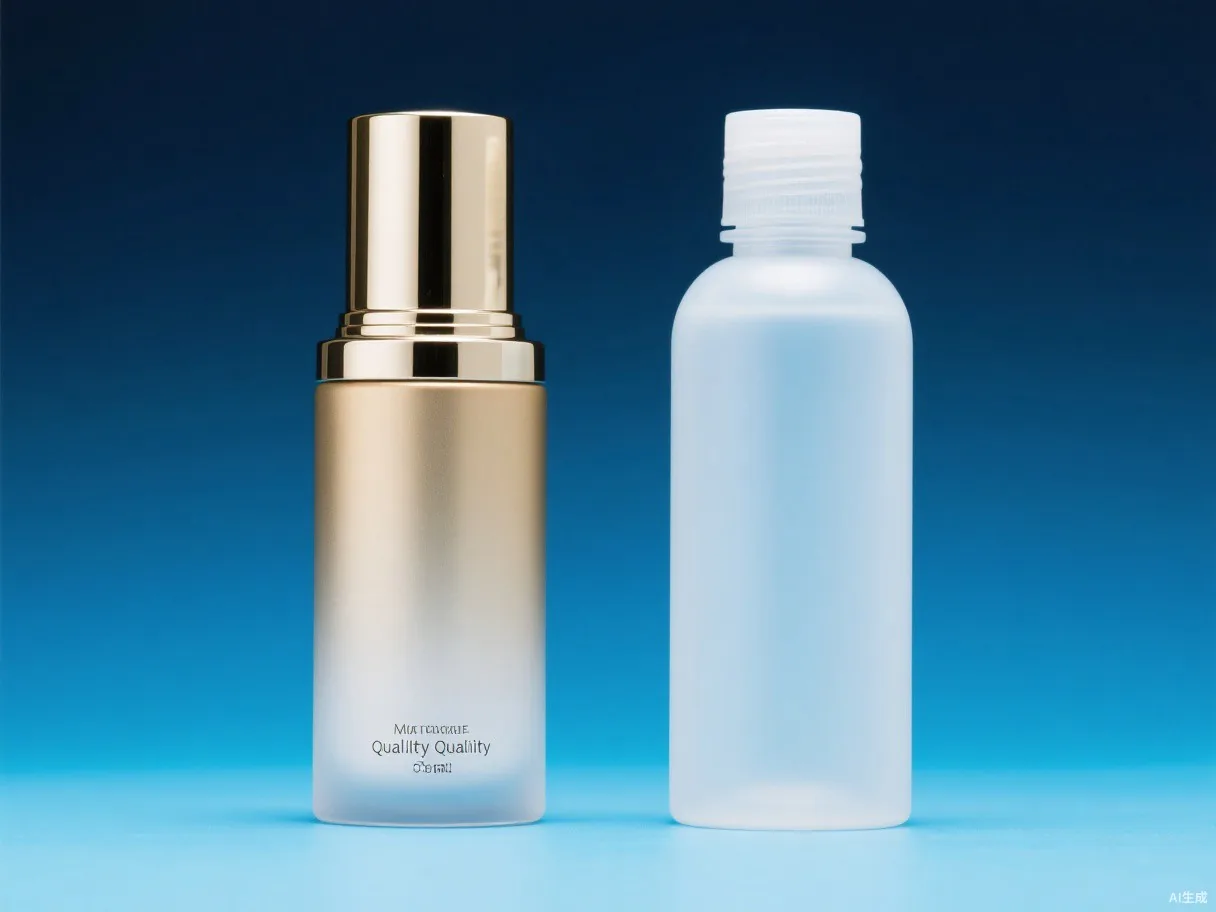
Ask whether the sample has been assessed in a laboratory container or the bottle, jar, or pump proposed for production. Record contact materials, closure design, and use instructions. Purchasing teams can document observations about filling, dispensing, residual product, leakage, and transport while technical specialists determine the necessary qualification work. Changes to a formula or package call for reassessment of earlier evidence. Visual similarity between two containers is not a reliable basis for assuming equivalent performance.
Sensory approval and supporting safety documentation serve different purposes. FDA explains that manufacturers or distributors are responsible for the safety of marketed cosmetics under labeled or customary use and does not prescribe one test list for every cosmetic. Discuss relevant safety substantiation, microbial controls, and stability information with qualified specialists for the formulation and intended market. An ingredient certificate of analysis alone should not be treated as evidence that the finished moisturizer meets every safety and quality requirement.
Before production, document the agreed formula revision, packaging material versions, approved label text, acceptance items, and people responsible for sign-off. Assign owners and deadlines to open issues. Agree how later changes will be communicated and when renewed approval is required. Retained reference samples and appropriate batch records can support comparison against the approved requirements. Confirm order quantities, pricing, and delivery schedules for the specific project rather than relying on general promises that have not been reviewed.
For a skincare OEM/ODM discussion with BioCera Labs, share the brief, packaging preferences, and intended market first. Confirm which documents are available, which assessments must be arranged, and how sample approval connects to production planning. This article provides general sourcing considerations and does not certify any product as safe, effective, or compliant. Reference: US FDA, Product Testing of Cosmetics, https://www.fda.gov/cosmetics/cosmetics-science-research/product-testing-cosmetics .