
Post-procedure skincare growth in Europe and the United States is closely linked to wider access to aesthetic procedures and greater consumer attention to the recovery period. Injectables, energy-based treatments, and minimally invasive procedures may temporarily produce redness, dryness, stinging sensations, or changes in barrier condition. This creates demand for simple, consumer-friendly supportive routines. “Post-procedure care” in this context means cosmetic support for skin condition, not a substitute for medicine, wound treatment, or professional clinical care.
Barrier biology should guide formulation strategy. Changes in stratum corneum hydration, intercellular lipid organization, and transepidermal water loss are important mechanisms to consider during the recovery period. Common frameworks include glycerin, panthenol, sodium hyaluronate, ceramides, cholesterol, and fatty acids for hydration and lipid support. Formula development must also assess preservative performance, pH, and ingredient compatibility. For example, a formula containing approximately 1% panthenol still requires evaluation as a complete system rather than a claim based on the concentration of one ingredient alone.
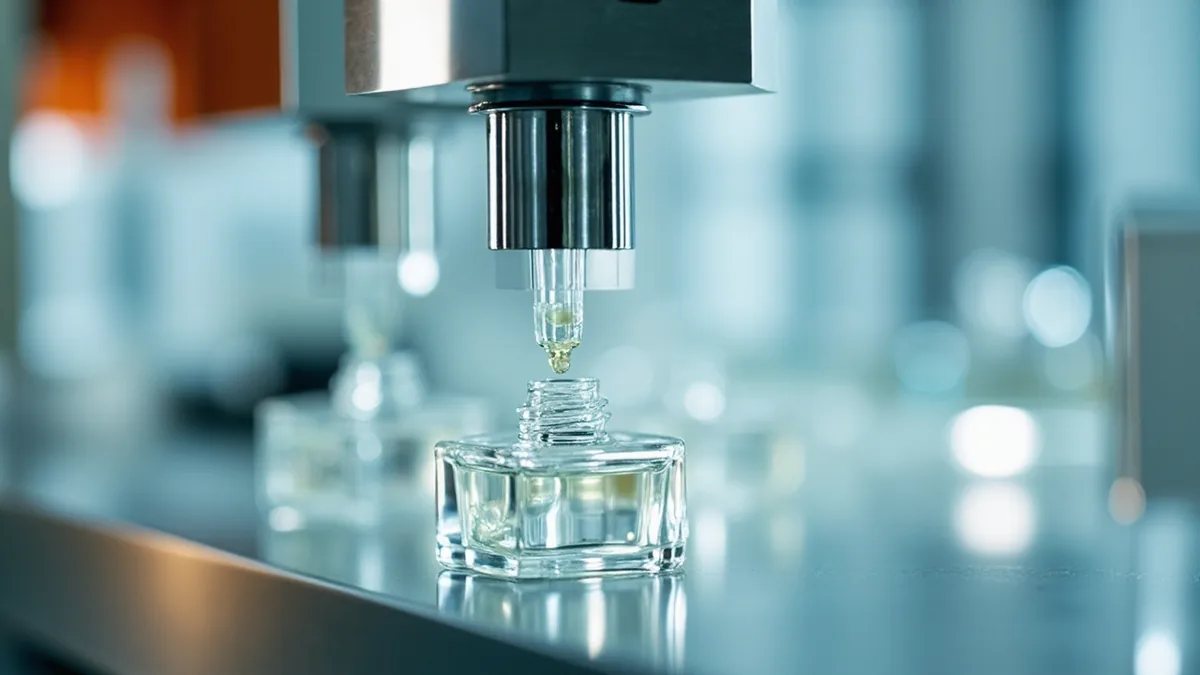
Packaging can strongly influence both user experience and contamination control. Sterile single-dose ampoules are relevant for serums whose formulations are sensitive to oxygen, light, or microbial exposure, and they enable consumers to discard the product after opening. BFS sterile filling can reduce repeated-opening exposure, but container integrity, filling conditions, residual volume, and packaging compatibility must be validated. Multi-piece kits can organize cleansing, hydration, repair, and sun protection steps, provided that instructions, labeling, and claim boundaries remain consistent across every item.
Claims and documentation should be addressed before market launch. Cosmetic products placed on the US market must be evaluated under the FDA cosmetic framework and the requirements introduced by the Modernization of Cosmetics Regulation Act of 2022, including facility registration, product listing, serious adverse event reporting, and safety assessment as applicable to the responsible party. Color, adulteration, legibility, and child-resistant closure warnings should also be reviewed. Procurement teams should request ingredient documentation, batch COAs, MSDS, stability reports, and challenge-test results while verifying their scope and supporting methods.
Manufacturing and quality systems determine whether a supportive skincare product can be reproduced reliably. A 100,000-class cleanroom, EDI purified-water system, and eight automated production lines can support multiple product formats, but an environmental classification does not automatically establish that the finished product is sterile. BioCera Labs holds ISO 22716 and GMPC certifications, operates a CNAS-accredited testing laboratory, and is registered with the US FDA in accordance with MoCRA-related requirements. For BFS formats, sterile-process validation, integrity testing, and batch-release documentation are essential procurement checkpoints.
Procurement decisions should combine minimum order quantities, development timing, and risk control. Mature formulations can often begin at approximately 1,000 to 5,000 units, while custom formulations commonly require approximately 3,000 to 10,000 units. Sampling generally takes 7 to 14 days, and bulk production approximately 25 to 45 days. Brands can reduce scale-up risk through raw-material screening, bench development, and a planned stability program before selecting ampoules, sprays, pumps, or kits. Budgets should also include packaging, tooling, testing, regulatory documentation, and post-market feedback processes.
Based in Shanghai’s Oriental Beauty Valley, BioCera Labs operates a facility exceeding 10,000 square meters with eight automated lines, a 100,000-class cleanroom, and an EDI purified-water system. The company provides OEM, ODM, and OBM services for facial skincare and feminine intimate-care cosmetics. Its relevant capabilities include BFS sterile single-dose filling, multi-piece kits, and documentation such as COAs, MSDS, stability reports, and challenge-test results for mature and custom formulations. Brands can align samples and production with their target market, format, and validation needs; additional project information is available at bioceralabs.com.