
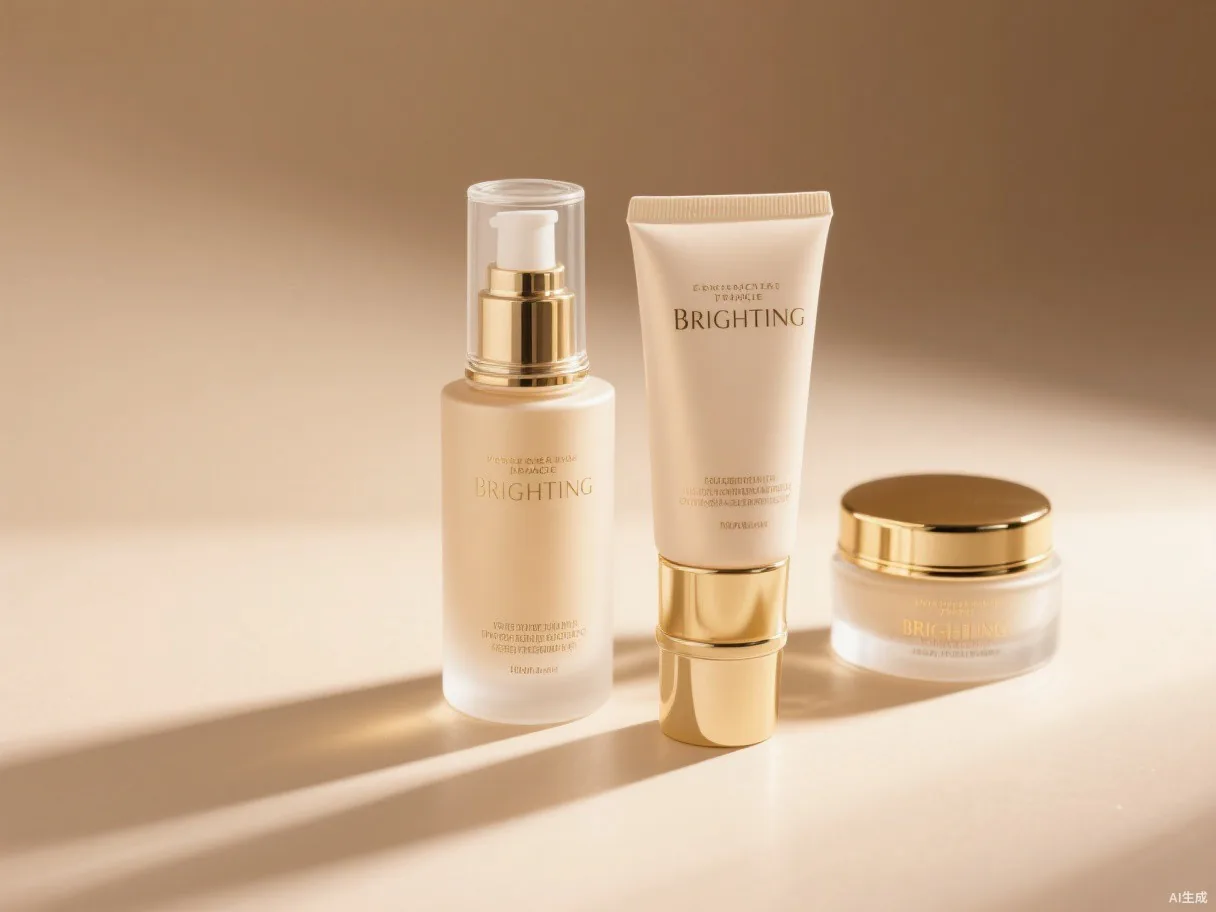
Skincare packaging artwork connects brand presentation with decisions made by several different teams. An attractive rendering can communicate a concept, but it does not tell a factory which file, material, or wording revision to use. Begin with a list of the container label, outer carton, and any other printed components, then assign an owner to each item. This guide offers practical coordination suggestions rather than a complete labeling checklist. Material, printing, and market requirements need appropriate specialist review for the individual project.
Separate the responsibilities of the brand, designer, packaging supplier, and manufacturer. The brand can coordinate naming and proposed marketing language; the designer prepares files using approved content; the packaging supplier explains production conditions for the selected material. Qualified reviewers should assess relevant wording and its supporting information. Identify who can approve the final version and who is providing comments only. One person approving the appearance should not be interpreted as every team completing its review. Keep unresolved questions visible in the project record.
Confirm that the artwork uses the selected container and supplier-provided layout information, rather than a similar-looking online template. Ask for the available print area, seam position, process limitations, and file-delivery requirements before final layout work. For curved bottles, tubes, and cartons, discuss how proofs can assess text placement, pattern alignment, and readability during use. A screen rendering and a printed item should not be assumed to look identical. Agree on an appropriate approval method with the supplier instead of relying only on a digital preview.
Track copy review separately from visual approval. Product naming, formula-related information, use instructions, and proposed claims should remain consistent with the actual project documentation and be reviewed by suitable specialists. Designers should not add efficacy promises, credentials, or testing conclusions merely to fill an empty space. If the formula or intended market changes, check which artwork elements need renewed approval. This article does not determine labeling compliance in any country or establish that a particular package is ready for sale.
Use a simple version-control convention identifying the product, packaging component, language, revision, and approval status. Retain editable source files, approved output files, and relevant proof records. Clearly mark earlier revisions as unsuitable for further production. When a change affects several components, review the container, carton, and accompanying material together, including how existing stock will be handled. Before ordering or production, ask the supplier to confirm the revision actually received rather than treating a brief chat acknowledgment as a complete handover.
For a private label skincare or OEM/ODM discussion with BioCera Labs, share packaging preferences, the intended market, and existing design materials, identifying what remains undecided. Keeping commercial quotations, visual approval, copy review, and technical confirmation distinct can make the handover easier to follow. Review arrangements must still reflect the actual formula, packaging, and supplier capabilities. A checklist can organize collaboration, but it cannot guarantee print results or replace qualified quality and regulatory assessment.