
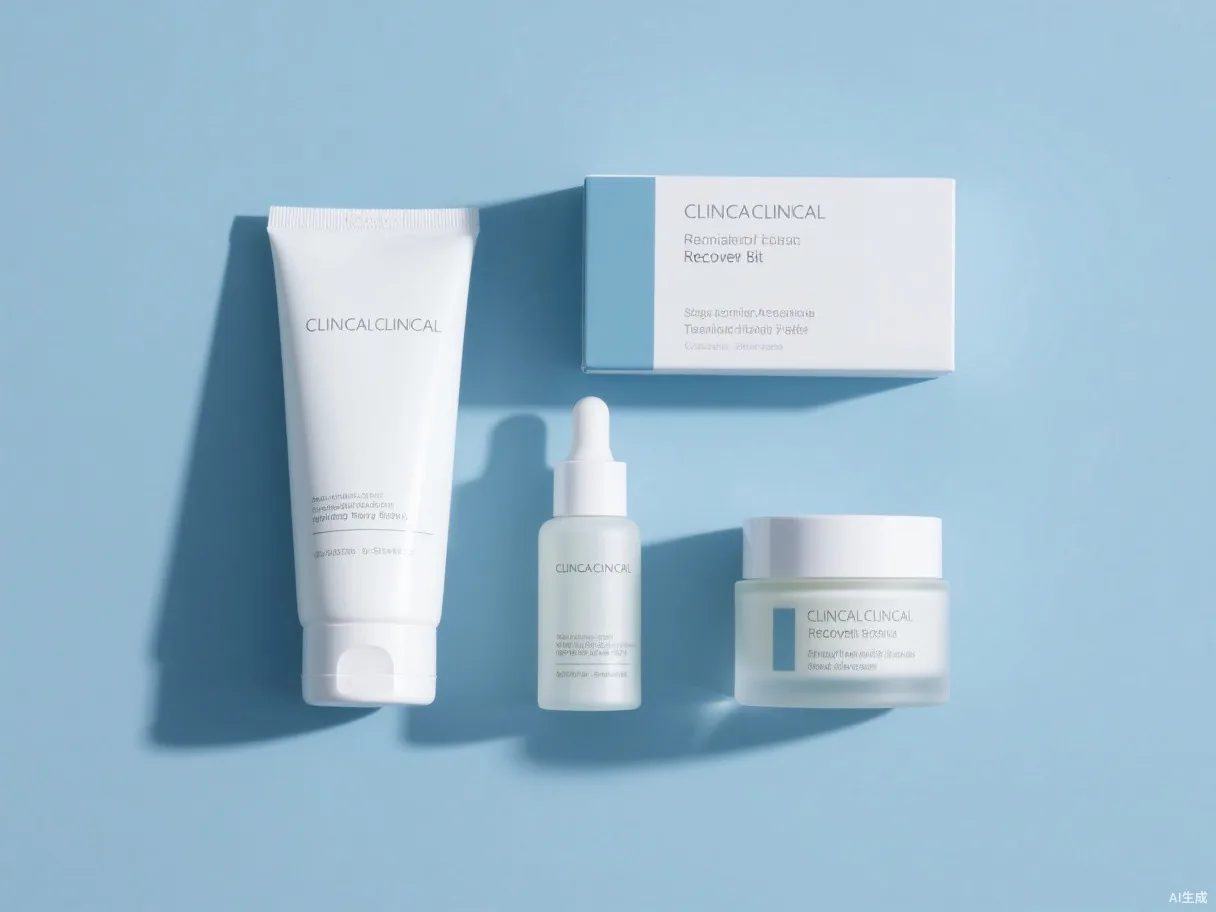
A facial cleanser development brief should help a brand and its supplier understand the same project, rather than collect fashionable ingredient names. Identify the intended market, customer group, use occasion, and sales channel. Separate decisions already made from questions where supplier input is welcome. Keep the everyday cleansing concept distinct from performance promises that have not been substantiated. The brief is a working document, not evidence of safety or efficacy; qualified specialists should confirm the assessments, labeling, and launch requirements relevant to the intended market.
Describe the desired experience before prescribing a formula. Explain whether the concept calls for a gel, cream-like texture, or foam, the preferred fragrance intensity, and how the customer is expected to use and demonstrate it. Discuss expectations for lather, rinsing, and after-feel in clear language. A reference sample can help communicate a preference, provided its purpose is understood. Subjective feedback should not automatically become a claim that the finished cleanser has proven mildness or is suitable for every person with sensitive skin.
Organize ingredient preferences by priority. Distinguish exclusions the brand has already committed to, fragrance or color choices that remain open, and marketing directions still being evaluated. Ask the supplier to explain how each requirement affects available options, development work, and documentation. One ingredient name does not establish finished-product performance, and an appealing ingredient story is not a substitute for product assessment. If the supplier proposes a change to the brief, record the reason and the person approving it so that other teams do not continue using an obsolete version.
Discuss packaging alongside the intended routine. Pumps, tubes, and other formats should be considered in relation to the formula, dispensing, transport, and customer handling rather than appearance alone. Share the proposed fill quantity, label area, presentation, and any outer-carton requirement. Ask whether samples and production will use the same packaging revision. Record observations about opening, dispensing, leakage, and transport, then have the technical team define appropriate qualification work. A later package change should trigger a review of whether earlier evidence remains applicable.
Make supplier proposals easier to compare by asking the same questions. Clarify what each quotation includes for formula development, packaging, assessments, design, and shipping. State whether the requested volume is a forecast or a confirmed order. When samples arrive, connect every comment to an identifier and revision, separating necessary corrections from personal preference. Do not assume that every cleanser needs an identical assessment plan or delivery schedule. Ask the responsible specialists to confirm documentation and acceptance requirements for the actual formula, package, and market.
Before production handover, consolidate the approved brief, formula and packaging revisions, label wording, outstanding questions, and change-notification process. For a private label or OEM/ODM facial cleanser discussion with BioCera Labs, share this information first and confirm the development support and documents available for the project. A clear brief can organize collaboration, but it cannot guarantee an outcome or replace professional evaluation of product safety, quality, and claims. Confirm commercial terms for the specific project rather than relying on general assumptions.