
Coordinating Label Language Review for Skincare Orders
Keep language versions, review responsibilities, and final artwork clear when preparing skincare packaging.
Weiterlesen →
Planning Fragrance Preferences for a Facial Moisturizer Brief
Separate scent preferences, labeling expectations, and technical questions when discussing facial moisturizer samples.
Weiterlesen →
Organizing Skincare Stability Review Records
Keep sample revisions, observations, and decision owners clear when coordinating a skincare stability review.
Weiterlesen →
Preparing Skincare Development Samples for Shipment
Coordinate sample identifiers, recipient arrangements, and supporting notes before sending skincare development samples between a brand and its manufacturing partner.
Weiterlesen →
Comparing Facial Cleanser Samples With a Clear Feedback Record
Keep facial cleanser sample comparisons organized with version identifiers, descriptive observations, and clearly assigned follow-up questions for your development partner.
Weiterlesen →
Writing a Facial Serum Development Brief for Your Brand
Organize facial serum preferences, intended use, packaging questions, and review responsibilities before discussing a formulation project with an OEM/ODM partner.
Weiterlesen →
Reviewing Moisturizer Dispensing During Packaging Selection
Record pump operation, product delivery, and open questions when reviewing moisturizer packaging options with an OEM/ODM development partner.
Weiterlesen →
Planning a Skincare Launch Handover Between Brand Teams
Organize product information, decision owners, and open questions before a skincare launch. A practical coordination guide for brand, purchasing, and sales teams.
Weiterlesen →
Managing Skincare Packaging Changes Before a Reorder
Prepare a clear change brief before reordering skincare products. Track packaging revisions, open questions, and approval responsibilities with your manufacturing partner.
Weiterlesen →
Planning Skincare Sample Feedback for OEM Development
Turn skincare sample observations into a clear development brief. Separate preferences from technical questions, agree evaluation conditions, and keep revision decisions traceable.
Weiterlesen →
Organizing Skincare Batch Handover Records for Private Label Brands
Create a clearer handover between skincare brands and manufacturing partners. Organize batch identifiers, approved specifications, delivery documents, and follow-up questions in a practical record that supports communication without replacing professional release decisions.
Weiterlesen →
A Skincare Packaging Artwork Handover Checklist for Private Label Brands
Organize skincare packaging artwork around clear ownership, controlled versions, production samples, and approval records. This practical checklist helps private label brands coordinate designers, packaging suppliers, and manufacturers without confusing a visual approval with technical or regulatory sign-off.
Weiterlesen →
How to Write a Facial Cleanser Development Brief for Private Label Brands
Turn a facial cleanser idea into a usable supplier brief. Define the intended routine, texture preferences, packaging questions, sample feedback, and handover documents before comparing private label proposals. This guide focuses on practical collaboration rather than unverified ingredient or performance promises.
Weiterlesen →
A Moisturizer Sample Approval Checklist for Private Label Skincare Brands
Organize moisturizer sample approval around a clear brief, sensory feedback, final packaging, supporting documentation, and production handover. A practical checklist for private label skincare sourcing teams.
Weiterlesen →
BFS Filling Versus Bottles for Active Ingredient Retention
Compare BFS single-dose filling with conventional bottles across oxygen exposure, microbial control, formulation compatibility, filling integrity, and supply-chain implications. This guide helps overseas brands and formulators decide when aseptic ampoules and multi-piece kits offer meaningful advantages for active-ingredient stability.
Weiterlesen →
Post-Procedure Skincare Growth Driven by Aesthetics and Formulation Demand
The expansion of aesthetic procedures in Europe and the United States is increasing demand for post-procedure skincare, without requiring exaggerated claims. This guide examines barrier support, sterile single-dose formats, stability validation, US MoCRA requirements, and practical supply-chain decisions for brands and procurement teams.
Weiterlesen →
Cost Structures for 1000-Unit and 10000-Unit Custom Cosmetic Formulas
A B2B breakdown of how ingredient costs, formulation development, packaging, filling, quality control, and compliance documentation affect the economics of 1000-unit mature formulas versus 10000-unit custom formulas.
Weiterlesen →
Skincare OEM Quote Breakdown: Formula, Packaging, Filling and Compliance
A skincare OEM quote combines more than formula and filling fees. This guide breaks down raw materials, packaging, production format, testing, regulatory documentation, and batch-related costs, helping overseas buyers compare supplier proposals and plan budgets from sampling through mass production.
Weiterlesen →
Amino-Acid Surfactants Versus SLS and SLES in Intimate Care
This article compares amino-acid surfactants with SLS and SLES for intimate cleansing products, focusing on cleansing mechanisms, residue, rinsing, stability, labeling, and validation. It offers B2B brands and formulators a practical framework for selecting a surfactant system and planning pilot-scale development.
Weiterlesen →
Why pH 3.8–4.5 Anchors Intimate Wash Formulations
A mildly acidic system is more than a marketing position; it shapes cleansing performance, user comfort, microbial stability, and OEM scalability. This guide explains the formulation logic behind pH 3.8–4.5, relevant validation methods, and the coordination required among raw materials, packaging, and manufacturing partners.
Weiterlesen →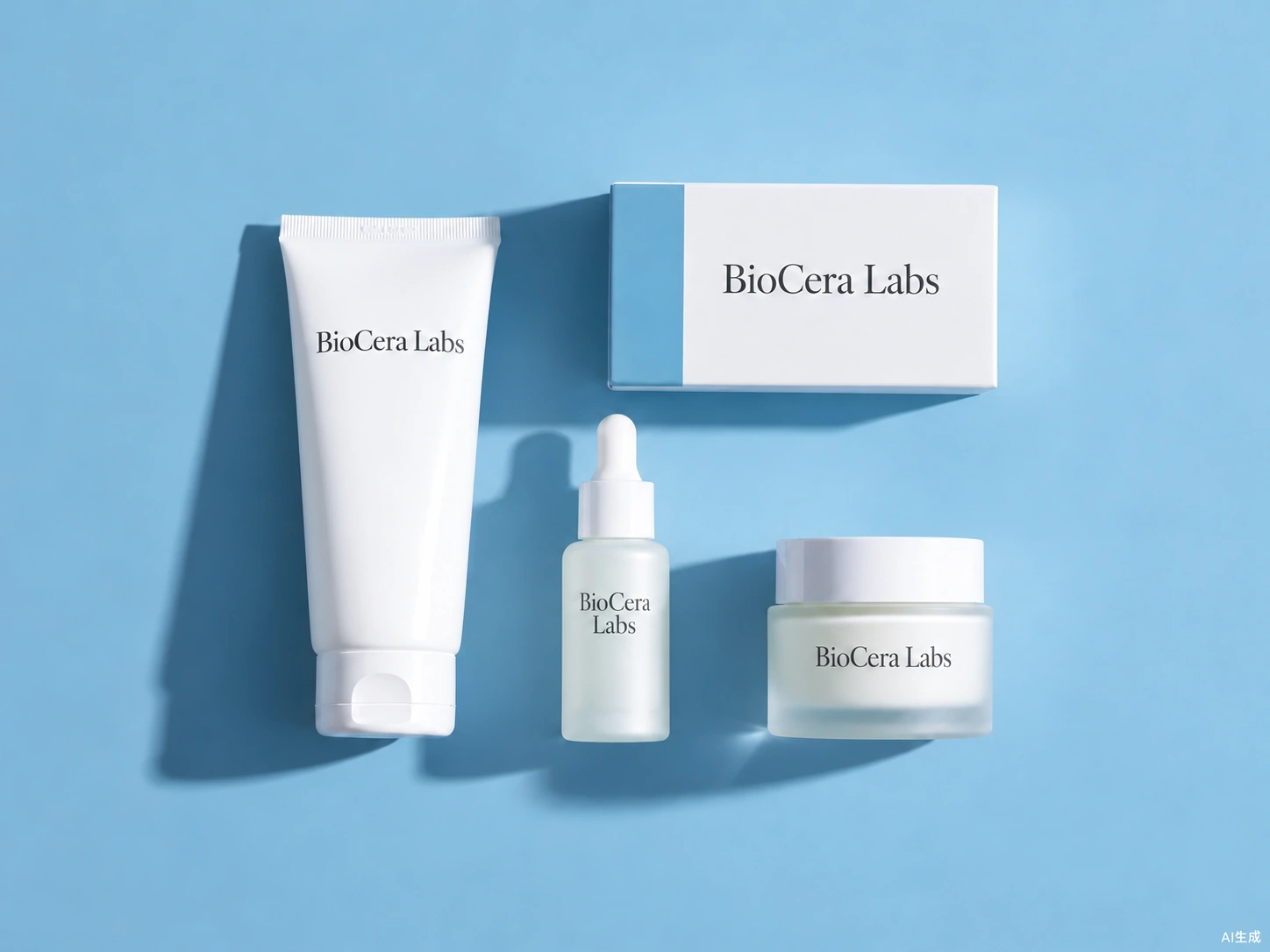
Das 3-stufige Hautpflege-Regenerationsset nach dem Eingriff: Ein klinischer Leitfaden
Die goldenen 72 Stunden nach Laser-, Microneedling- und anderen ästhetischen Eingriffen entscheiden über das Endergebnis. Wie hängen Reinigung, Beruhigung und Okklusion wissenschaftlich zusammen? Wir schlüsseln die Formulierungslogik klinischer Wiederherstellungskits und wichtige OEM-Überlegungen auf.
Weiterlesen →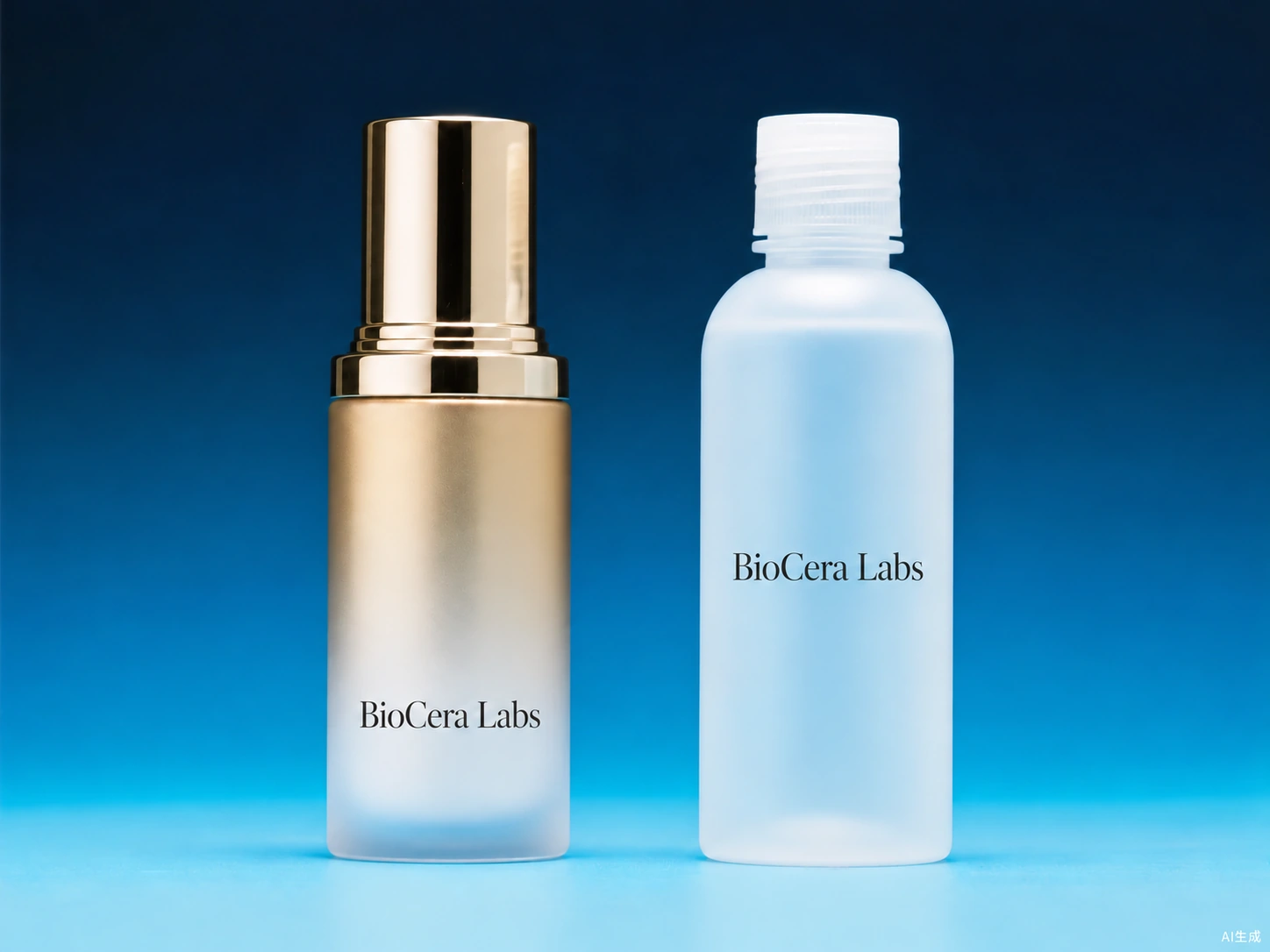
Die 1-Dollar-Private-Label-Intimwaschfalle: Warum billige Formeln Wiederholungskaufraten zunichtemachen – und wie man die richtigen Quellen beschafft
Was unterscheidet eine 1-Dollar-Intimwaschformel wirklich von einer 5-Dollar-Intimwaschformel? Scharfe Tenside, ineffizienter pH-Wert und fehlende QC-Dokumente – eine Beschaffung von Grund auf zunichte macht Ihre Wiederholungskaufquote still und leise zunichte.
Weiterlesen →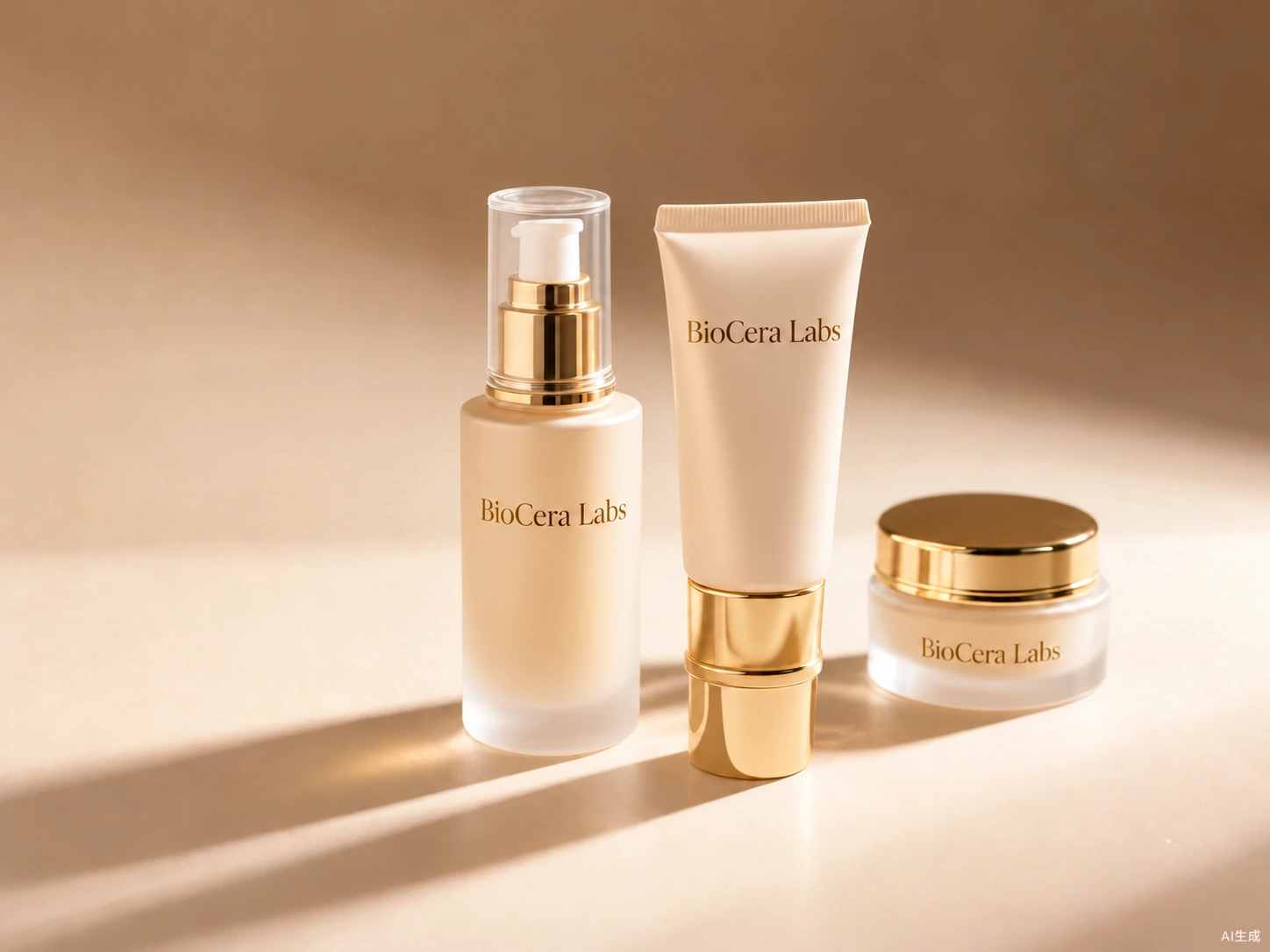
Fallstudie: Warum eine französische Schönheitsmarke aufhellende und sonnenfreie Bräunungsprodukte für reibungsanfällige Bereiche entwickelte
Bikinizone, Achselhöhlen, Innenseiten der Oberschenkel – diese „Reibungszonen“ sind das am schnellsten wachsende Segment des europäischen Körperpflegemarktes. Eine umfassende Retrospektive der Entwicklung einer französischen Marke.
Weiterlesen →
Anti-Aging-Formeln der nächsten Generation: Pro-Xylan, Peptide und rekombinantes Kollagen erklärt
Vom Glykosaminoglykan-Weg von Pro-Xylane bis zur perkutanen Absorption von rekombinantem menschlichem Kollagen – ein tiefer Einblick in die Mechanismen und die Formulierungslogik der drei führenden Anti-Aging-Wirkstoffe.
Weiterlesen →
So wählen Sie einen OEM-Hersteller für Damenintimpflege aus: 5 kritische Fallen, die Sie vermeiden sollten
Gefälschte Zertifikate, überhöhte Reinraumansprüche, neu gekennzeichnete „Universalformeln“ … Die fünf tödlichsten Fallen bei der OEM-Auswahl für die Intimpflege, mit jeweils einer Due-Diligence-Checkliste.
Weiterlesen →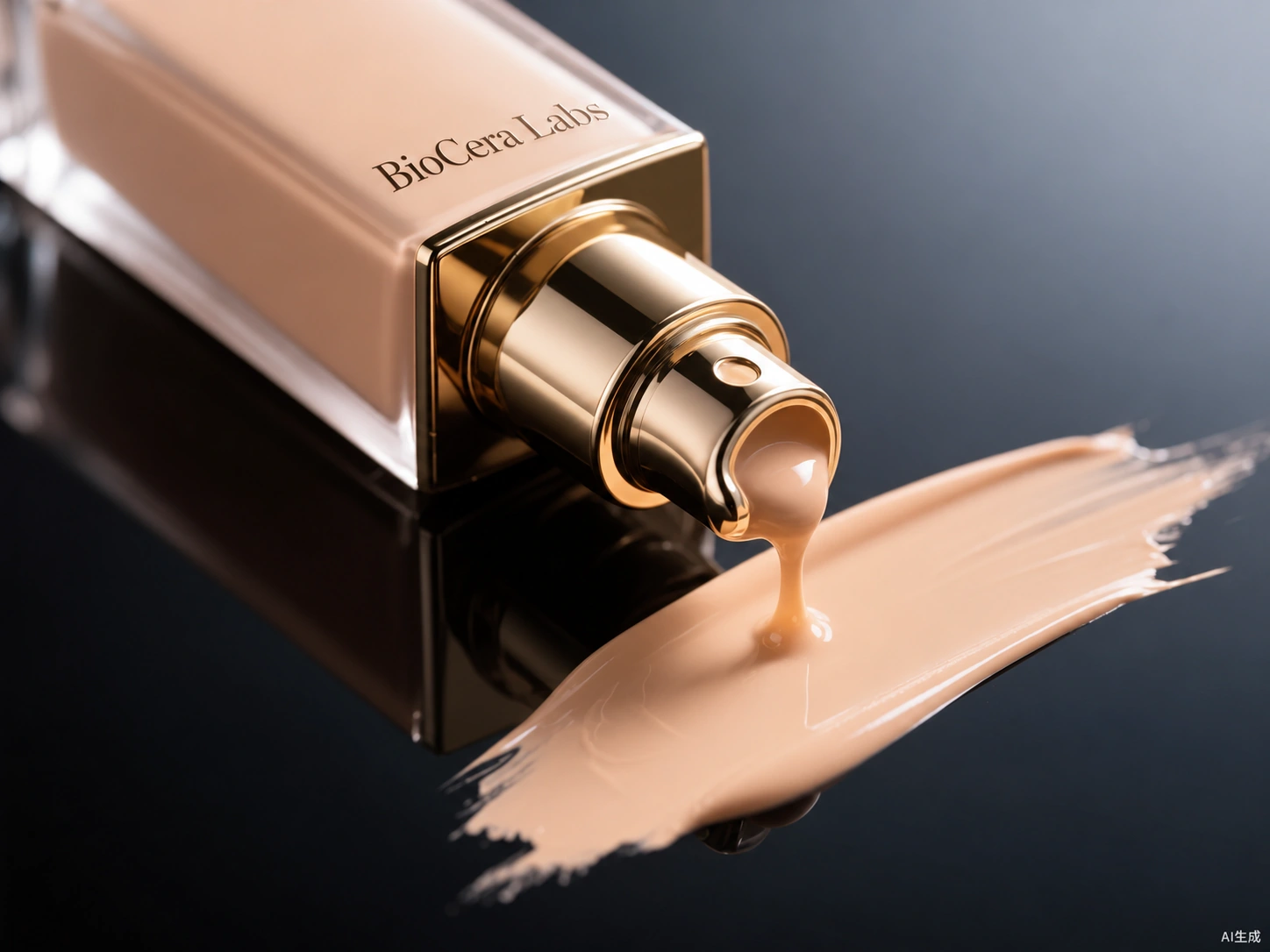
Barriereschützendes Make-up: Der nächste margenstarke Trend für Beauty-Marken
Da „mit Hautpflege angereichertes Make-up“ nun zum Standard gehört, ist die nächste Station „Barriere-schützendes Make-up“. Ceramid-Grundierungen, nach dem Eingriff sichere Kissen – die Grenze zwischen Hautpflege und dekorativer Kosmetik verschwimmt.
Weiterlesen →