
Coordinating Label Language Review for Skincare Orders
Keep language versions, review responsibilities, and final artwork clear when preparing skincare packaging.
Lire la suite →
Planning Fragrance Preferences for a Facial Moisturizer Brief
Separate scent preferences, labeling expectations, and technical questions when discussing facial moisturizer samples.
Lire la suite →
Organizing Skincare Stability Review Records
Keep sample revisions, observations, and decision owners clear when coordinating a skincare stability review.
Lire la suite →
Preparing Skincare Development Samples for Shipment
Coordinate sample identifiers, recipient arrangements, and supporting notes before sending skincare development samples between a brand and its manufacturing partner.
Lire la suite →
Comparing Facial Cleanser Samples With a Clear Feedback Record
Keep facial cleanser sample comparisons organized with version identifiers, descriptive observations, and clearly assigned follow-up questions for your development partner.
Lire la suite →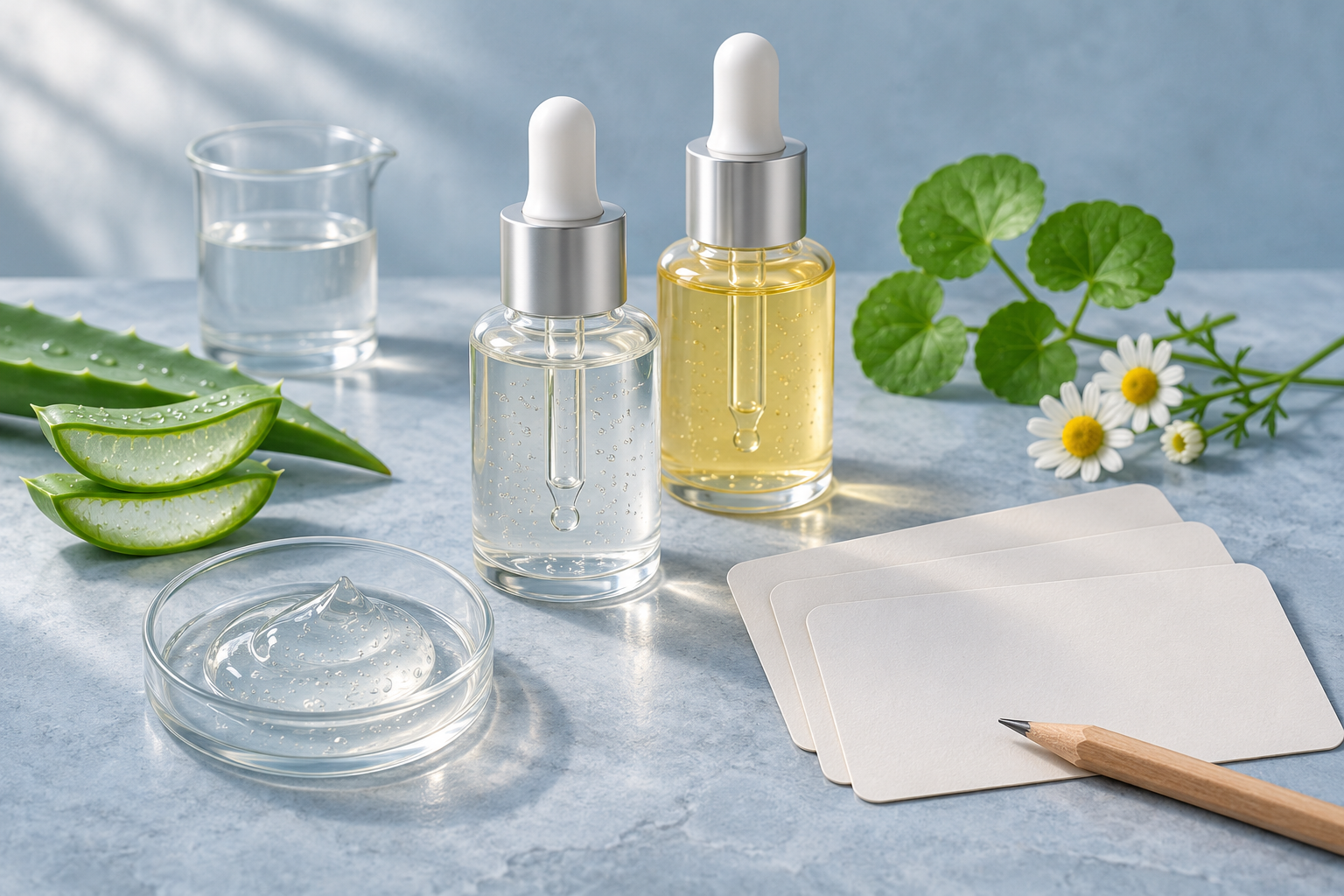
Writing a Facial Serum Development Brief for Your Brand
Organize facial serum preferences, intended use, packaging questions, and review responsibilities before discussing a formulation project with an OEM/ODM partner.
Lire la suite →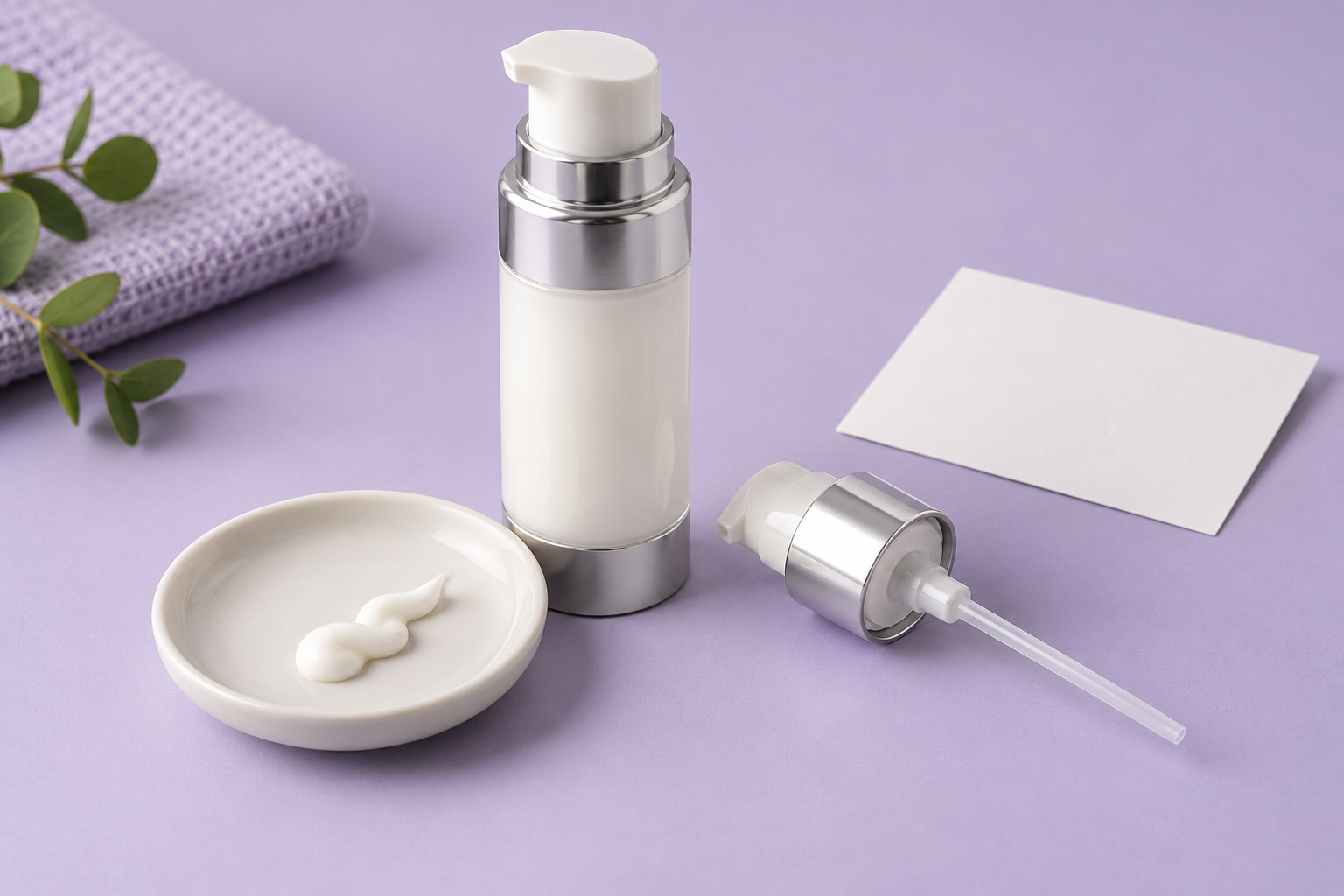
Reviewing Moisturizer Dispensing During Packaging Selection
Record pump operation, product delivery, and open questions when reviewing moisturizer packaging options with an OEM/ODM development partner.
Lire la suite →
Planning a Skincare Launch Handover Between Brand Teams
Organize product information, decision owners, and open questions before a skincare launch. A practical coordination guide for brand, purchasing, and sales teams.
Lire la suite →
Managing Skincare Packaging Changes Before a Reorder
Prepare a clear change brief before reordering skincare products. Track packaging revisions, open questions, and approval responsibilities with your manufacturing partner.
Lire la suite →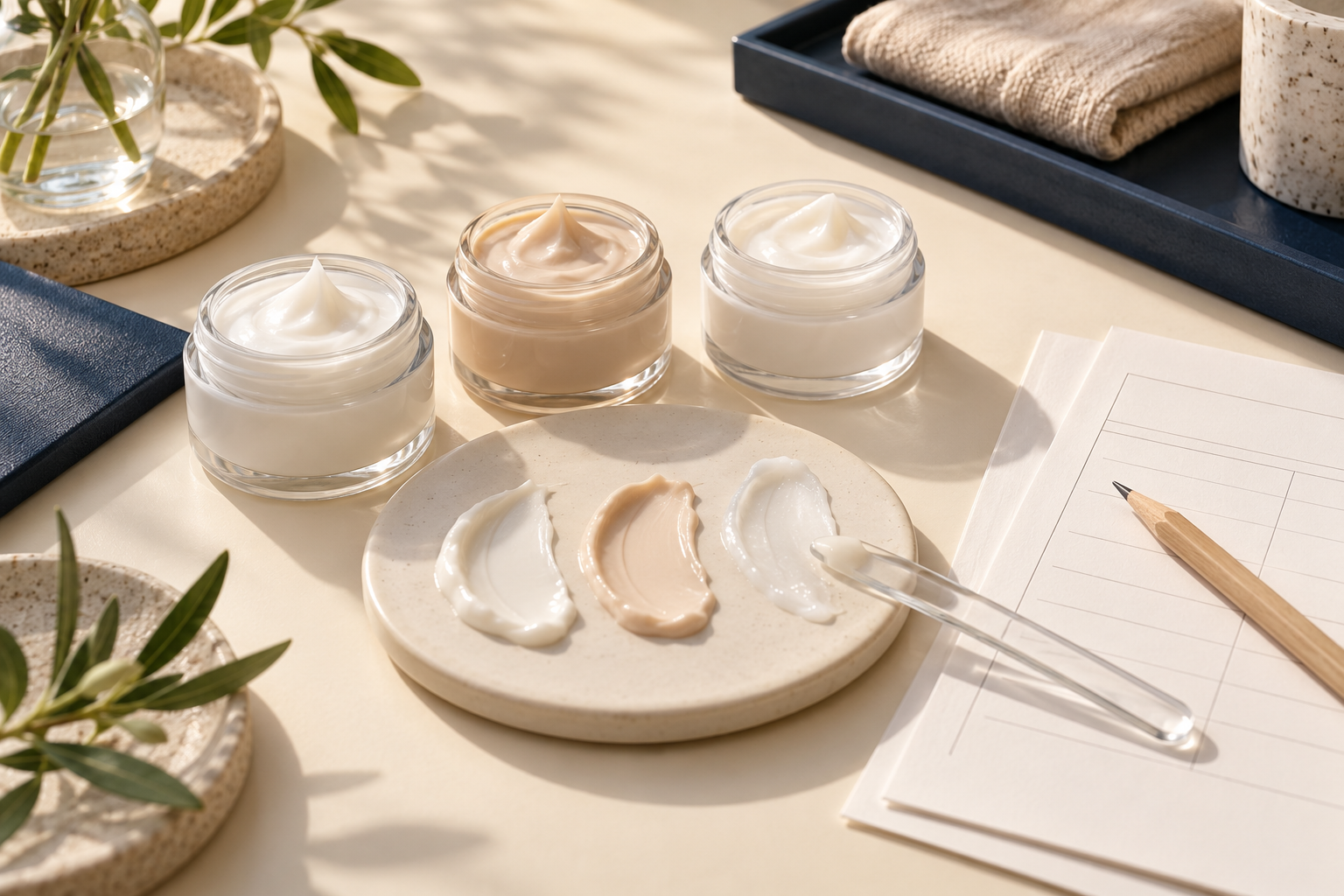
Planning Skincare Sample Feedback for OEM Development
Turn skincare sample observations into a clear development brief. Separate preferences from technical questions, agree evaluation conditions, and keep revision decisions traceable.
Lire la suite →
Organizing Skincare Batch Handover Records for Private Label Brands
Create a clearer handover between skincare brands and manufacturing partners. Organize batch identifiers, approved specifications, delivery documents, and follow-up questions in a practical record that supports communication without replacing professional release decisions.
Lire la suite →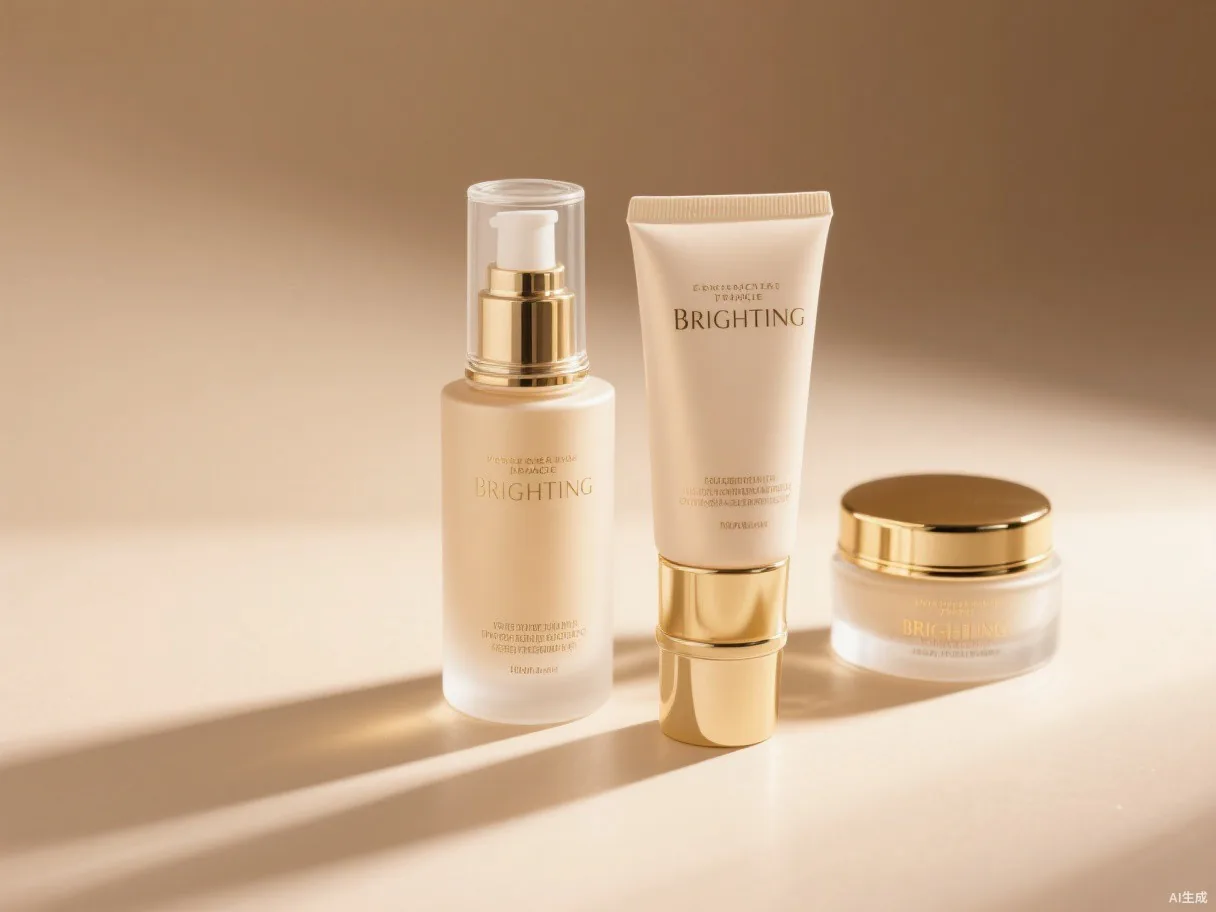
A Skincare Packaging Artwork Handover Checklist for Private Label Brands
Organize skincare packaging artwork around clear ownership, controlled versions, production samples, and approval records. This practical checklist helps private label brands coordinate designers, packaging suppliers, and manufacturers without confusing a visual approval with technical or regulatory sign-off.
Lire la suite →
How to Write a Facial Cleanser Development Brief for Private Label Brands
Turn a facial cleanser idea into a usable supplier brief. Define the intended routine, texture preferences, packaging questions, sample feedback, and handover documents before comparing private label proposals. This guide focuses on practical collaboration rather than unverified ingredient or performance promises.
Lire la suite →
A Moisturizer Sample Approval Checklist for Private Label Skincare Brands
Organize moisturizer sample approval around a clear brief, sensory feedback, final packaging, supporting documentation, and production handover. A practical checklist for private label skincare sourcing teams.
Lire la suite →
BFS Filling Versus Bottles for Active Ingredient Retention
Compare BFS single-dose filling with conventional bottles across oxygen exposure, microbial control, formulation compatibility, filling integrity, and supply-chain implications. This guide helps overseas brands and formulators decide when aseptic ampoules and multi-piece kits offer meaningful advantages for active-ingredient stability.
Lire la suite →
Post-Procedure Skincare Growth Driven by Aesthetics and Formulation Demand
The expansion of aesthetic procedures in Europe and the United States is increasing demand for post-procedure skincare, without requiring exaggerated claims. This guide examines barrier support, sterile single-dose formats, stability validation, US MoCRA requirements, and practical supply-chain decisions for brands and procurement teams.
Lire la suite →
Cost Structures for 1000-Unit and 10000-Unit Custom Cosmetic Formulas
A B2B breakdown of how ingredient costs, formulation development, packaging, filling, quality control, and compliance documentation affect the economics of 1000-unit mature formulas versus 10000-unit custom formulas.
Lire la suite →
Skincare OEM Quote Breakdown: Formula, Packaging, Filling and Compliance
A skincare OEM quote combines more than formula and filling fees. This guide breaks down raw materials, packaging, production format, testing, regulatory documentation, and batch-related costs, helping overseas buyers compare supplier proposals and plan budgets from sampling through mass production.
Lire la suite →
Amino-Acid Surfactants Versus SLS and SLES in Intimate Care
This article compares amino-acid surfactants with SLS and SLES for intimate cleansing products, focusing on cleansing mechanisms, residue, rinsing, stability, labeling, and validation. It offers B2B brands and formulators a practical framework for selecting a surfactant system and planning pilot-scale development.
Lire la suite →
Why pH 3.8–4.5 Anchors Intimate Wash Formulations
A mildly acidic system is more than a marketing position; it shapes cleansing performance, user comfort, microbial stability, and OEM scalability. This guide explains the formulation logic behind pH 3.8–4.5, relevant validation methods, and the coordination required among raw materials, packaging, and manufacturing partners.
Lire la suite →
Le kit de récupération de soins de la peau post-intervention en 3 étapes : un guide clinique
Les 72 heures d'or après le laser, le microneedling et autres procédures esthétiques déterminent le résultat final. Quel est le lien scientifique entre le nettoyage, l’apaisement et l’occlusion ? Nous décomposons la logique de formulation des kits de récupération clinique et les principales considérations OEM.
Lire la suite →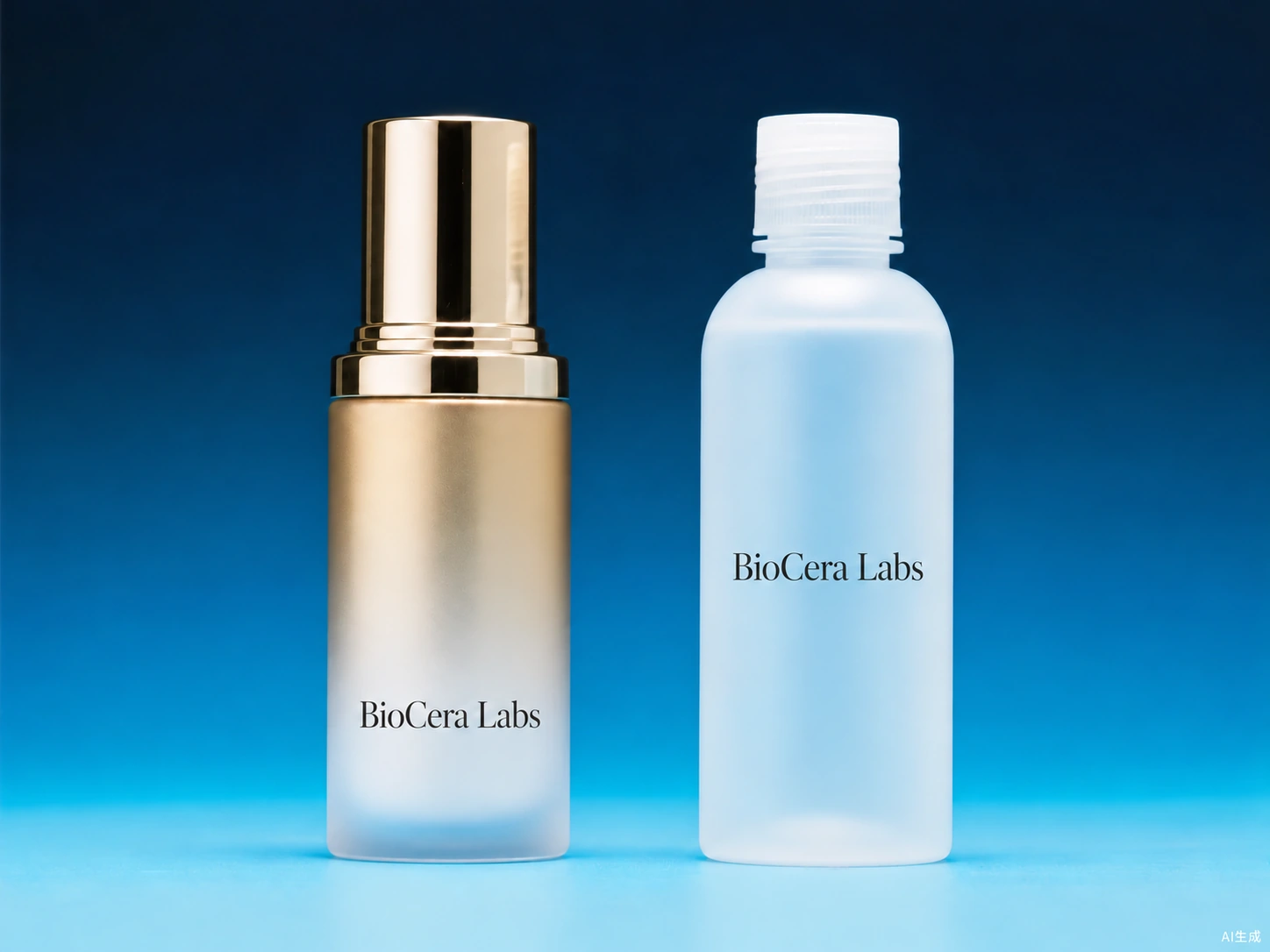
Le piège de lavage intime de marque privée à 1 $ : pourquoi les formules bon marché tuent les taux d'achat répétés - et comment s'approvisionner correctement
Qu'est-ce qui différencie vraiment une formule de lavage intime à 1 $ d'une formule à 5 $ ? Tensioactifs agressifs, pH inefficace et documents de contrôle qualité manquants : un approvisionnement de très bas niveau détruit discrètement votre taux de réachat.
Lire la suite →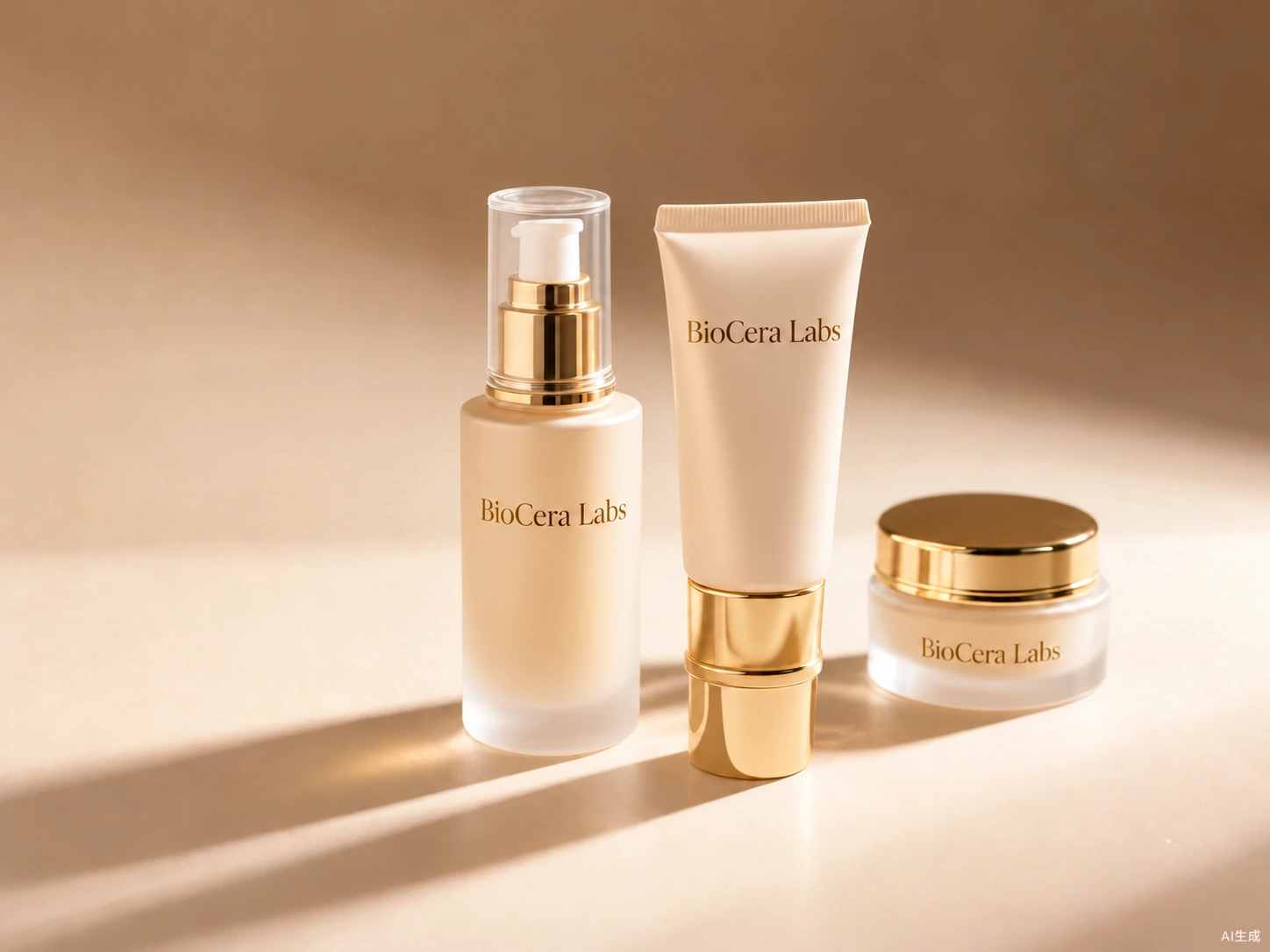
Étude de cas : Pourquoi une marque de beauté française a développé des produits éclaircissants et bronzants sans soleil pour les zones sujettes aux frictions
Maillots, aisselles, intérieur des cuisses : ces « zones de friction » constituent le segment qui connaît la croissance la plus rapide sur le marché européen des soins du corps. Une rétrospective complète du développement d'une marque française.
Lire la suite →
Formules anti-âge de nouvelle génération : explication du pro-xylane, des peptides et du collagène recombinant
De la voie des glycosaminoglycanes du Pro-Xylane à l'absorption percutanée du collagène humain recombinant — une plongée approfondie dans les mécanismes et la logique de formulation des trois principaux actifs anti-âge.
Lire la suite →
Comment choisir un fabricant OEM de soins intimes féminins : 5 pièges critiques à éviter
Certificats falsifiés, allégations de salle blanche gonflées, « formules universelles » ré-étiquetées… Les cinq pièges les plus mortels de la sélection OEM des soins intimes, avec une liste de contrôle de diligence raisonnable pour chacun.
Lire la suite →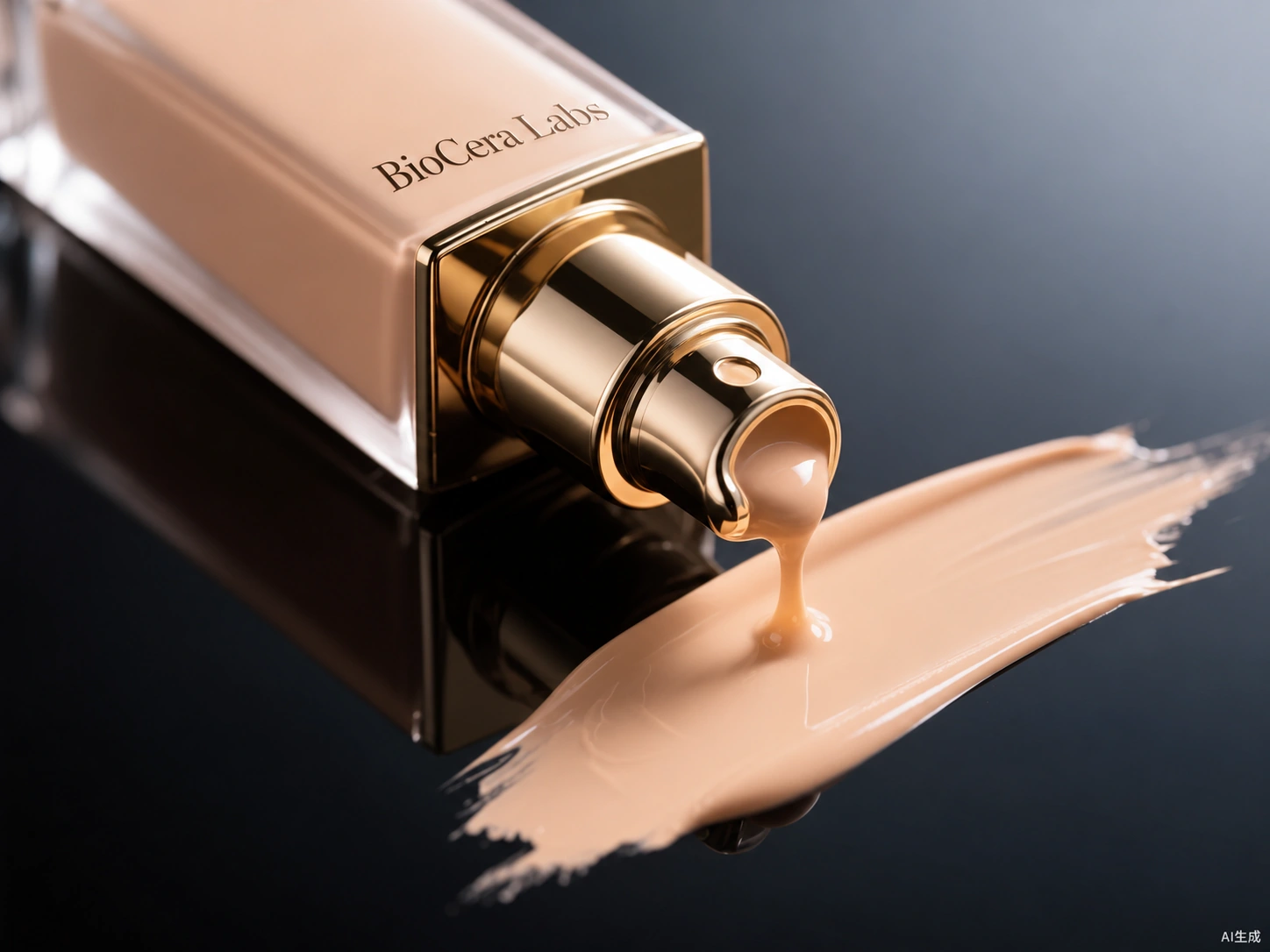
Maquillage barrière : la prochaine tendance à forte marge pour les marques de beauté
Maintenant que le « maquillage infusé de soins de la peau » est devenu la norme, la prochaine étape est le « maquillage protecteur ». Fonds de teint en céramide, coussins de sécurité après l'intervention : la frontière entre les soins de la peau et les cosmétiques de couleur s'efface.
Lire la suite →