
Coordinating Label Language Review for Skincare Orders
Keep language versions, review responsibilities, and final artwork clear when preparing skincare packaging.
Leia mais →
Planning Fragrance Preferences for a Facial Moisturizer Brief
Separate scent preferences, labeling expectations, and technical questions when discussing facial moisturizer samples.
Leia mais →
Organizing Skincare Stability Review Records
Keep sample revisions, observations, and decision owners clear when coordinating a skincare stability review.
Leia mais →
Preparing Skincare Development Samples for Shipment
Coordinate sample identifiers, recipient arrangements, and supporting notes before sending skincare development samples between a brand and its manufacturing partner.
Leia mais →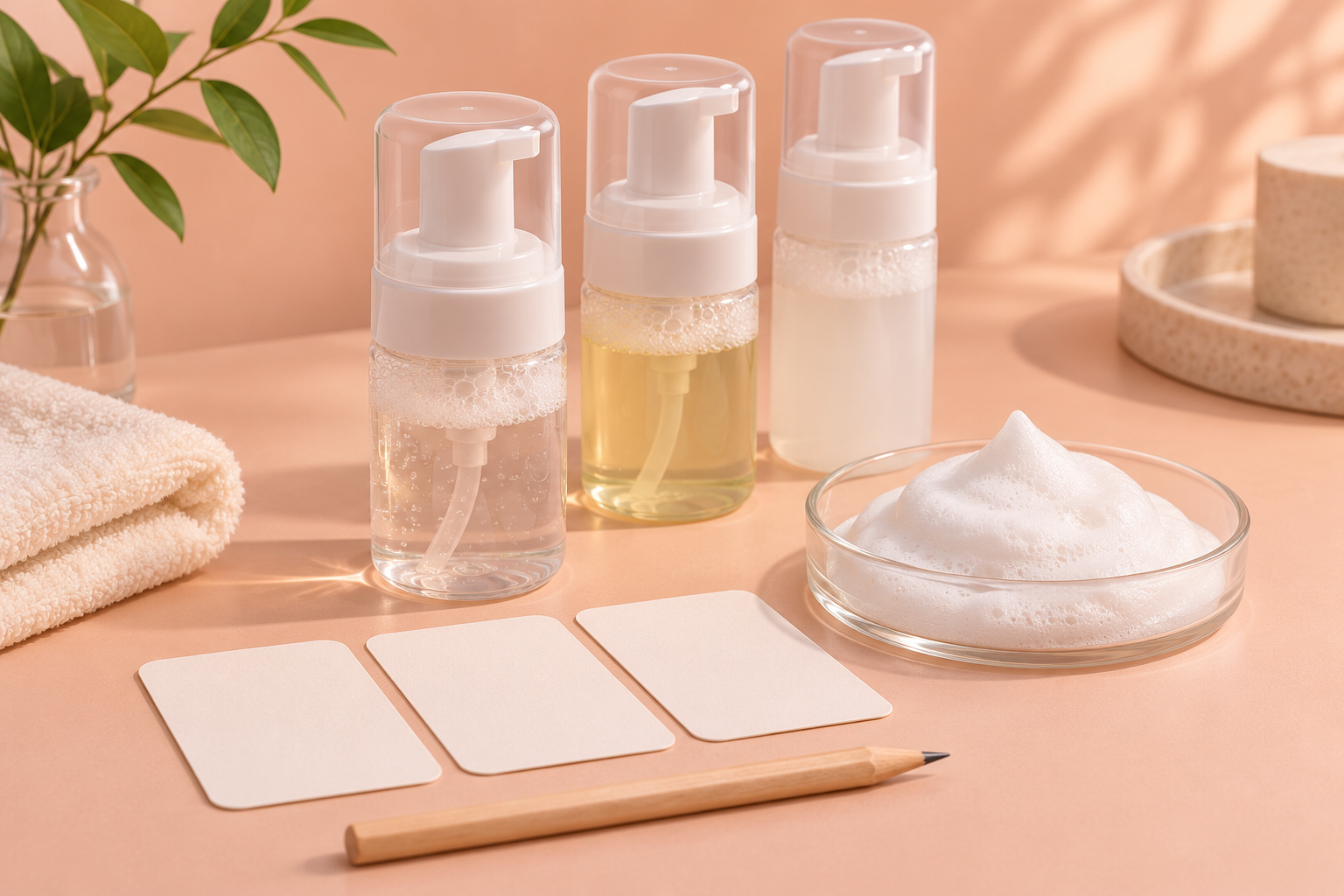
Comparing Facial Cleanser Samples With a Clear Feedback Record
Keep facial cleanser sample comparisons organized with version identifiers, descriptive observations, and clearly assigned follow-up questions for your development partner.
Leia mais →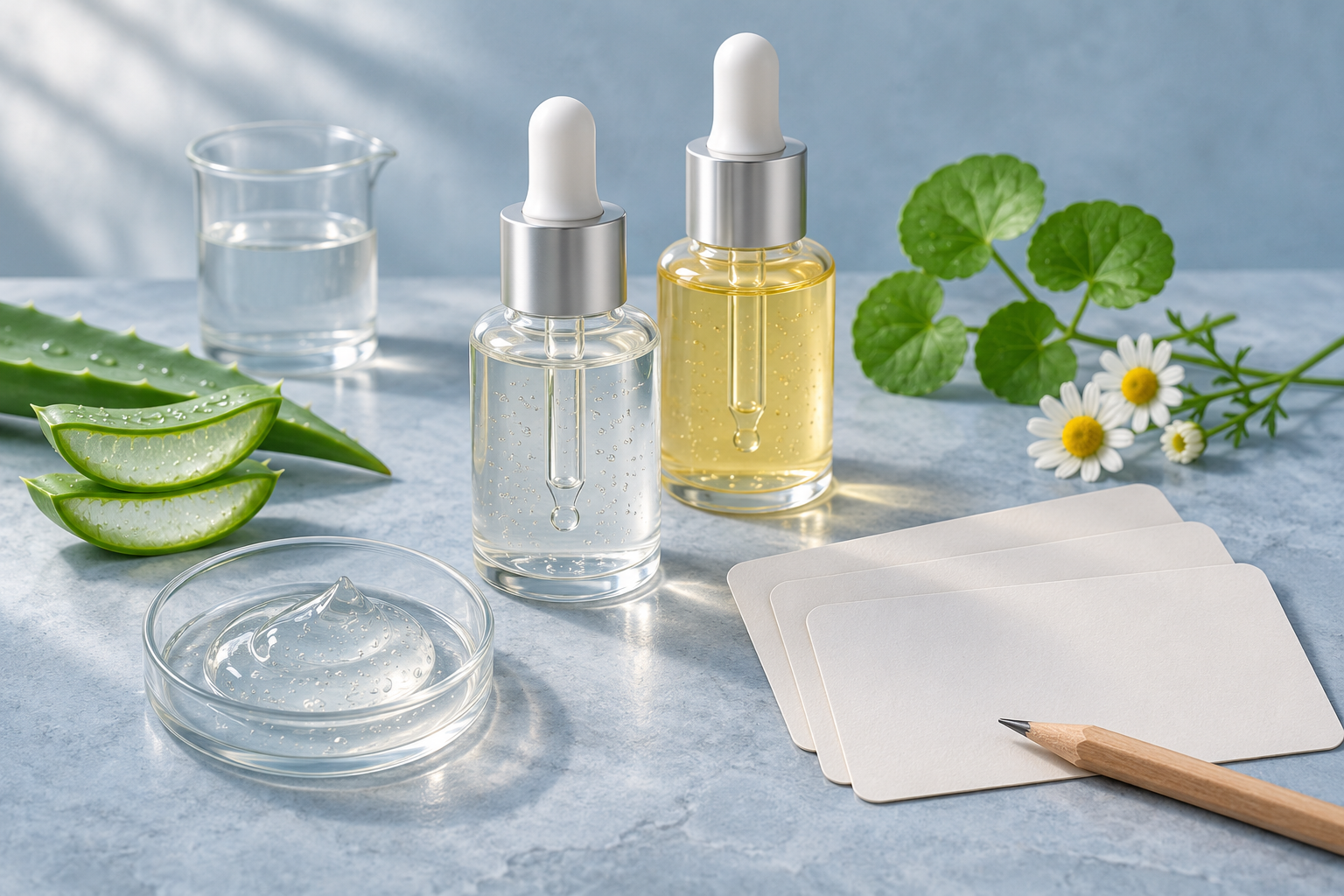
Writing a Facial Serum Development Brief for Your Brand
Organize facial serum preferences, intended use, packaging questions, and review responsibilities before discussing a formulation project with an OEM/ODM partner.
Leia mais →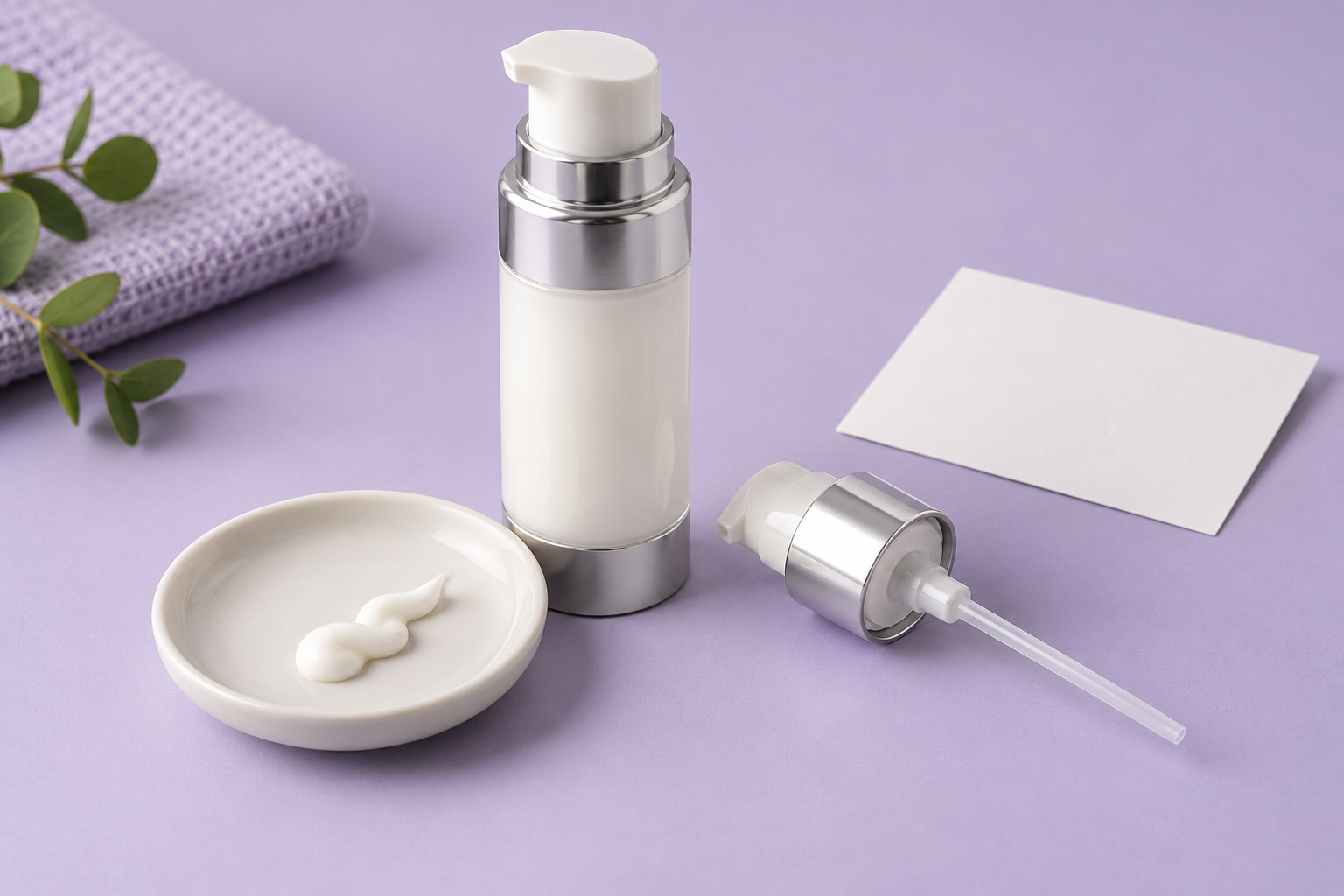
Reviewing Moisturizer Dispensing During Packaging Selection
Record pump operation, product delivery, and open questions when reviewing moisturizer packaging options with an OEM/ODM development partner.
Leia mais →
Planning a Skincare Launch Handover Between Brand Teams
Organize product information, decision owners, and open questions before a skincare launch. A practical coordination guide for brand, purchasing, and sales teams.
Leia mais →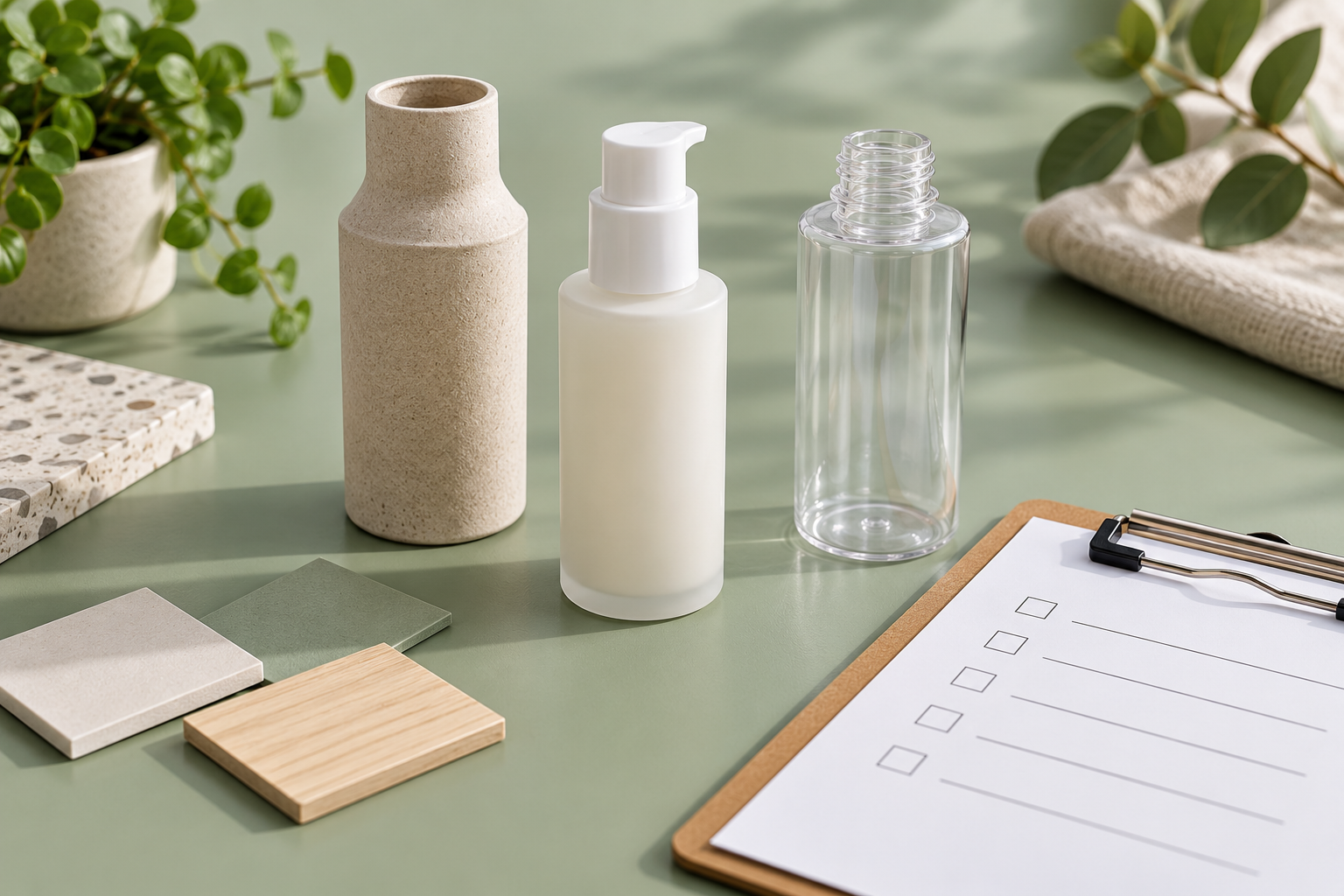
Managing Skincare Packaging Changes Before a Reorder
Prepare a clear change brief before reordering skincare products. Track packaging revisions, open questions, and approval responsibilities with your manufacturing partner.
Leia mais →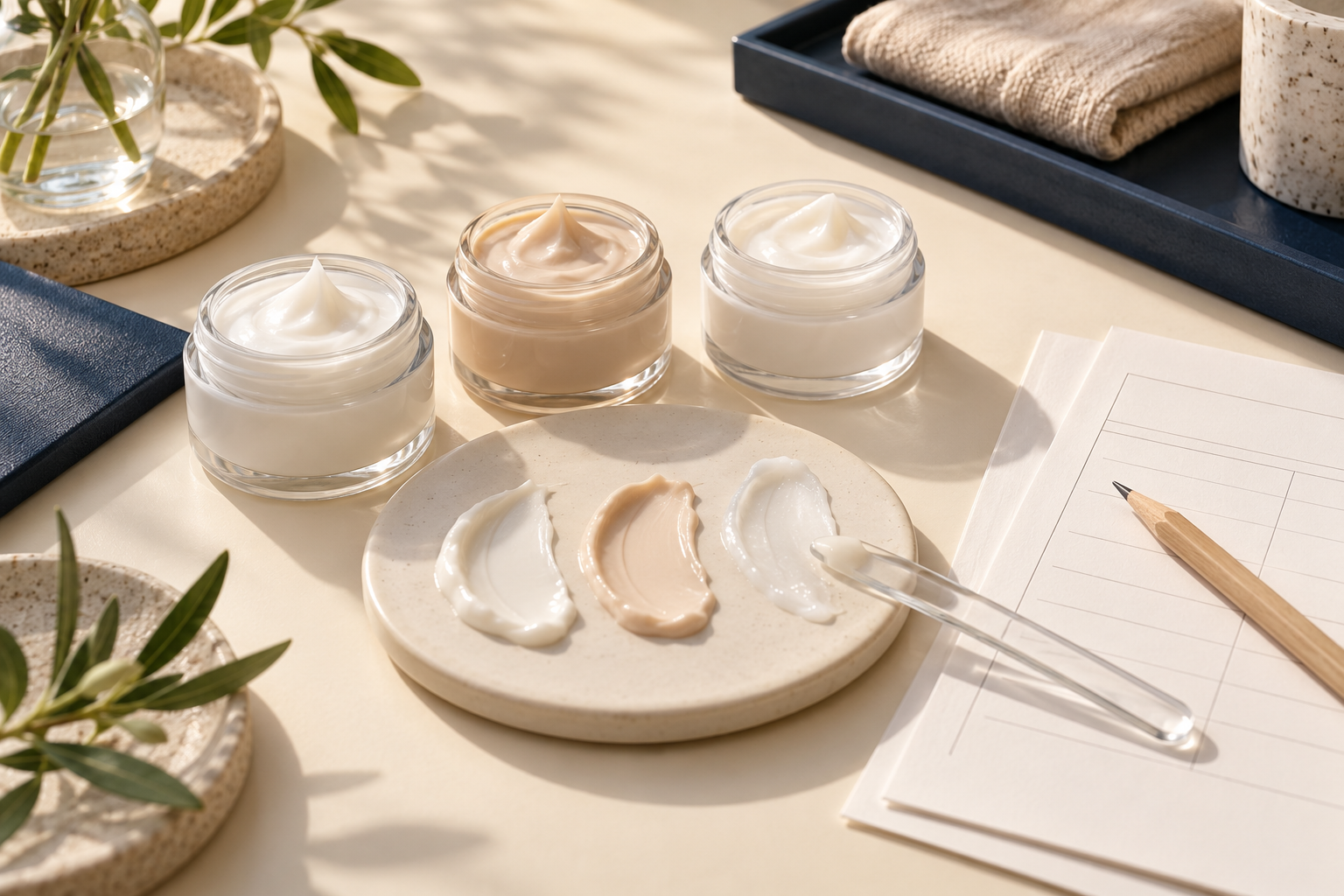
Planning Skincare Sample Feedback for OEM Development
Turn skincare sample observations into a clear development brief. Separate preferences from technical questions, agree evaluation conditions, and keep revision decisions traceable.
Leia mais →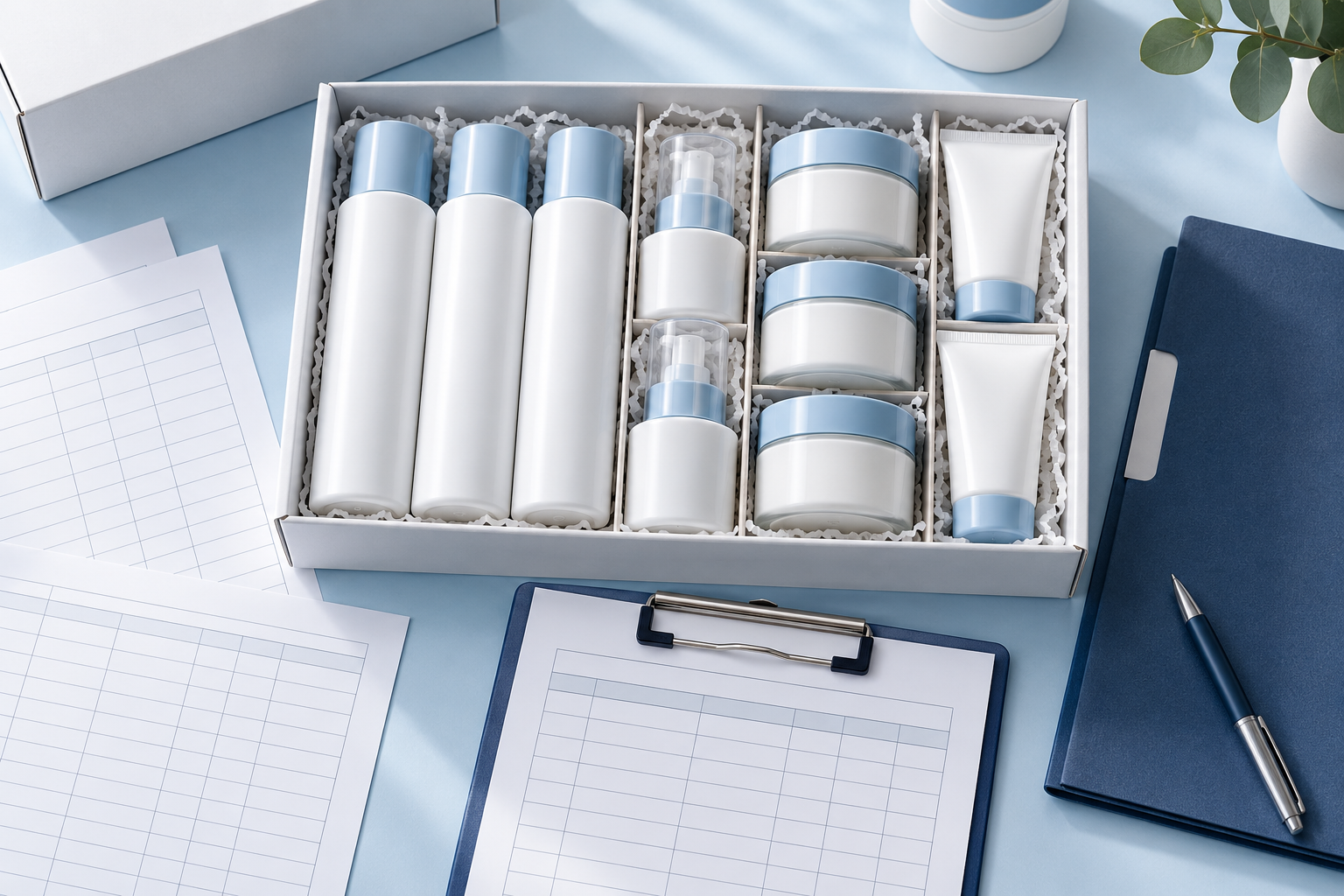
Organizing Skincare Batch Handover Records for Private Label Brands
Create a clearer handover between skincare brands and manufacturing partners. Organize batch identifiers, approved specifications, delivery documents, and follow-up questions in a practical record that supports communication without replacing professional release decisions.
Leia mais →
A Skincare Packaging Artwork Handover Checklist for Private Label Brands
Organize skincare packaging artwork around clear ownership, controlled versions, production samples, and approval records. This practical checklist helps private label brands coordinate designers, packaging suppliers, and manufacturers without confusing a visual approval with technical or regulatory sign-off.
Leia mais →
How to Write a Facial Cleanser Development Brief for Private Label Brands
Turn a facial cleanser idea into a usable supplier brief. Define the intended routine, texture preferences, packaging questions, sample feedback, and handover documents before comparing private label proposals. This guide focuses on practical collaboration rather than unverified ingredient or performance promises.
Leia mais →
A Moisturizer Sample Approval Checklist for Private Label Skincare Brands
Organize moisturizer sample approval around a clear brief, sensory feedback, final packaging, supporting documentation, and production handover. A practical checklist for private label skincare sourcing teams.
Leia mais →
BFS Filling Versus Bottles for Active Ingredient Retention
Compare BFS single-dose filling with conventional bottles across oxygen exposure, microbial control, formulation compatibility, filling integrity, and supply-chain implications. This guide helps overseas brands and formulators decide when aseptic ampoules and multi-piece kits offer meaningful advantages for active-ingredient stability.
Leia mais →
Post-Procedure Skincare Growth Driven by Aesthetics and Formulation Demand
The expansion of aesthetic procedures in Europe and the United States is increasing demand for post-procedure skincare, without requiring exaggerated claims. This guide examines barrier support, sterile single-dose formats, stability validation, US MoCRA requirements, and practical supply-chain decisions for brands and procurement teams.
Leia mais →
Cost Structures for 1000-Unit and 10000-Unit Custom Cosmetic Formulas
A B2B breakdown of how ingredient costs, formulation development, packaging, filling, quality control, and compliance documentation affect the economics of 1000-unit mature formulas versus 10000-unit custom formulas.
Leia mais →
Skincare OEM Quote Breakdown: Formula, Packaging, Filling and Compliance
A skincare OEM quote combines more than formula and filling fees. This guide breaks down raw materials, packaging, production format, testing, regulatory documentation, and batch-related costs, helping overseas buyers compare supplier proposals and plan budgets from sampling through mass production.
Leia mais →
Amino-Acid Surfactants Versus SLS and SLES in Intimate Care
This article compares amino-acid surfactants with SLS and SLES for intimate cleansing products, focusing on cleansing mechanisms, residue, rinsing, stability, labeling, and validation. It offers B2B brands and formulators a practical framework for selecting a surfactant system and planning pilot-scale development.
Leia mais →
Why pH 3.8–4.5 Anchors Intimate Wash Formulations
A mildly acidic system is more than a marketing position; it shapes cleansing performance, user comfort, microbial stability, and OEM scalability. This guide explains the formulation logic behind pH 3.8–4.5, relevant validation methods, and the coordination required among raw materials, packaging, and manufacturing partners.
Leia mais →
Kit de recuperação de cuidados com a pele pós-procedimento em três etapas: um guia clínico
As douradas 72 horas após o laser, microagulhamento e outros procedimentos estéticos determinam o resultado final. Como a limpeza, o calmante e a oclusão se conectam cientificamente? Detalhamos a lógica de formulação dos kits de recuperação clínica e as principais considerações do OEM.
Leia mais →
A armadilha para lavagem íntima de marca própria de US $ 1: por que fórmulas baratas matam as taxas de compra repetidas - e como obter a fonte correta
O que realmente separa uma fórmula de lavagem íntima de US$ 1 de uma de US$ 5? Surfactantes agressivos, pH ineficaz e documentos de controle de qualidade ausentes – o fornecimento mínimo está destruindo silenciosamente sua taxa de compra repetida.
Leia mais →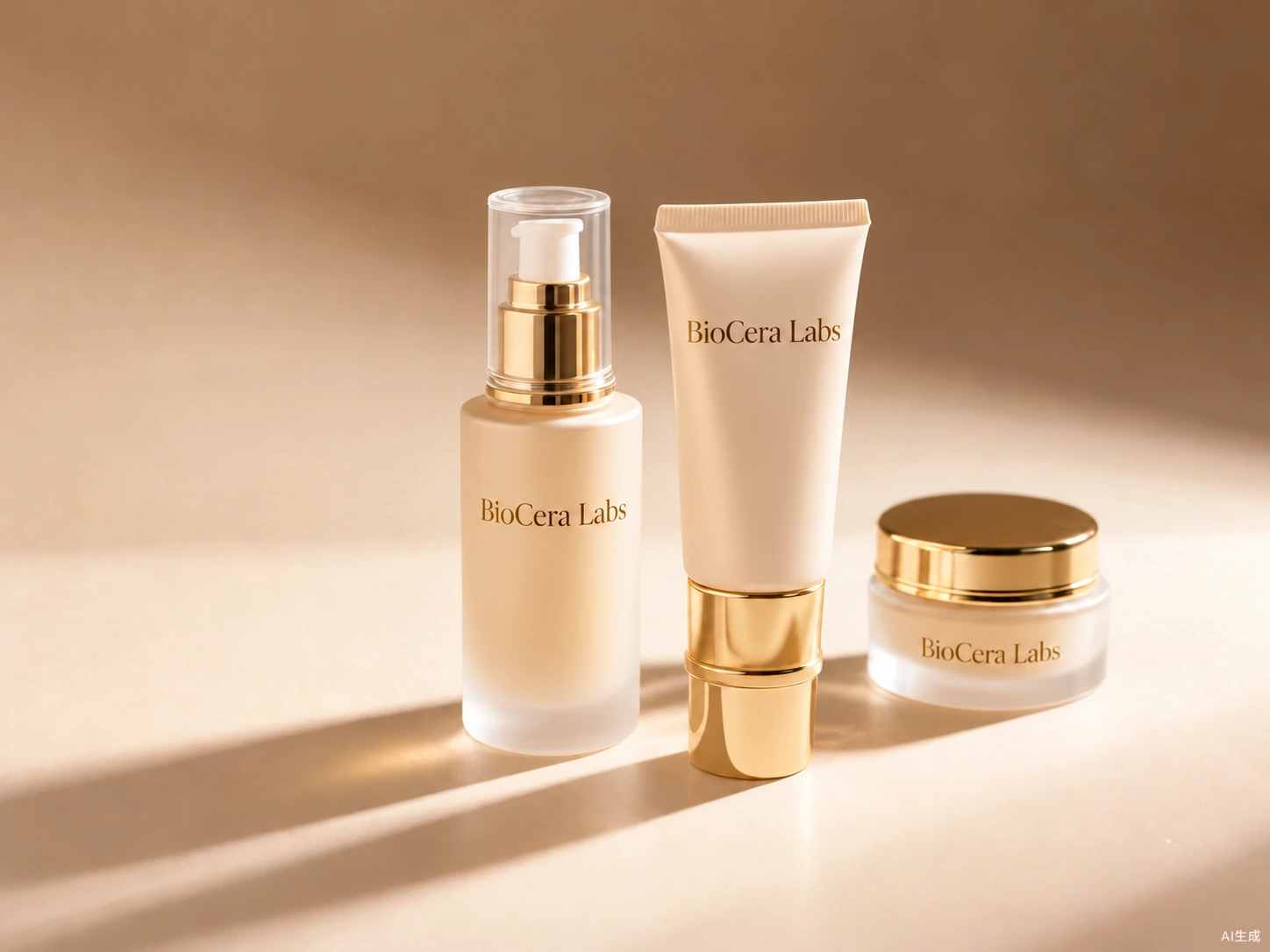
Estudo de caso: Por que uma marca de beleza francesa desenvolveu produtos iluminadores e bronzeadores sem sol para áreas propensas à fricção
Linhas do biquíni, axilas, parte interna das coxas – estas “zonas de fricção” são o segmento que mais cresce no mercado europeu de cuidados corporais. Uma retrospectiva completa do desenvolvimento com uma marca francesa.
Leia mais →
Fórmulas antienvelhecimento de última geração: explicação de pró-xilano, peptídeos e colágeno recombinante
Da via dos glicosaminoglicanos do Pro-Xylane à absorção percutânea do colágeno humano recombinante — um mergulho profundo nos mecanismos e na lógica de formulação dos três principais ativos antienvelhecimento.
Leia mais →
Como escolher um fabricante OEM de cuidados íntimos femininos: 5 armadilhas críticas a serem evitadas
Certificados falsificados, declarações inflacionadas de salas limpas, "fórmulas universais" renomeadas... As cinco armadilhas mais mortais na seleção de OEM de cuidados íntimos, com uma lista de verificação de devida diligência para cada uma.
Leia mais →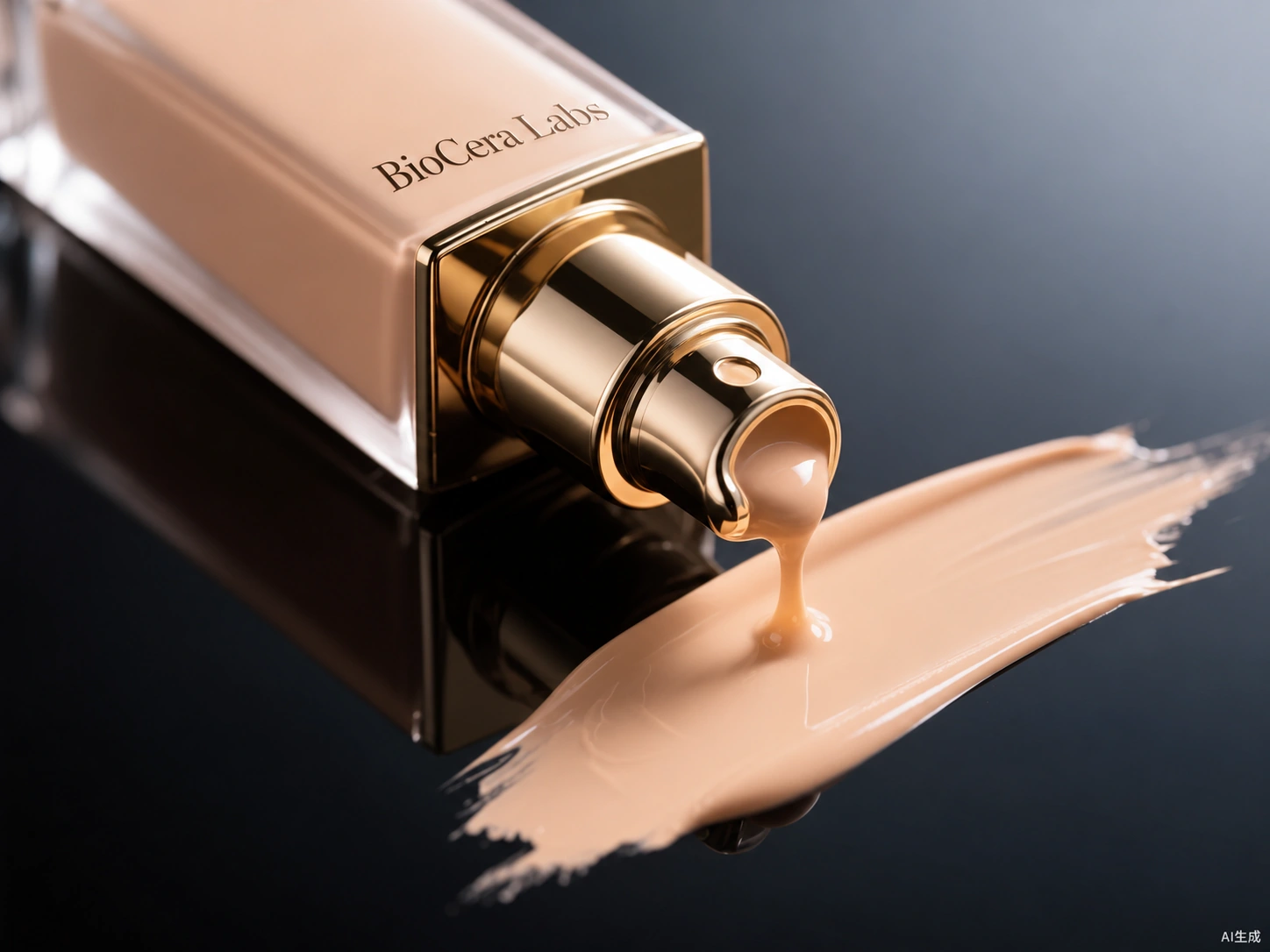
Maquiagem com proteção de barreira: a próxima tendência de alta margem para marcas de beleza
Agora que a “maquiagem com infusão de cuidados com a pele” é padrão, a próxima parada é a “maquiagem com proteção de barreira”. Bases de ceramida, almofadas seguras para pós-procedimento – a linha entre os cuidados com a pele e os cosméticos coloridos está se dissolvendo.
Leia mais →